What Is Suction Power in a Robot Vacuum?
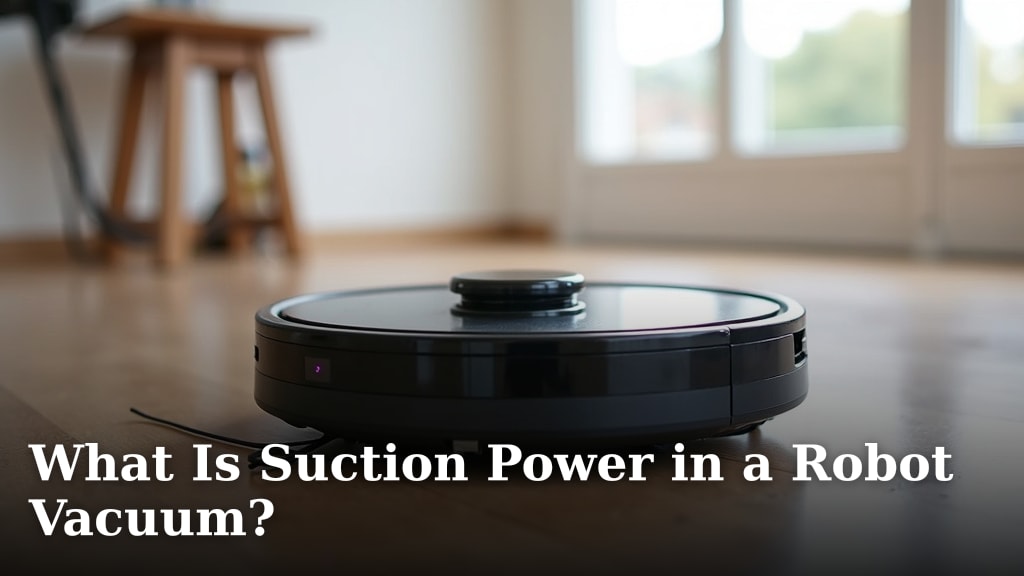
Suction power in a robot vacuum is how strongly it pulls dirt and debris off your floors. It’s measured in Pascals (Pa). Higher Pa means more powerful suction, which is better for carpets and stubborn messes. Think of it as the vacuum’s “muscle” for cleaning.
Understanding this metric helps you choose the right robot vacuum for your home. Some vacuums offer adjustable suction levels for different surfaces. This allows you to optimize cleaning on hardwood versus thick rugs. We found that proper suction is key to a truly clean home.
- Suction power (Pa) tells you how strong a robot vacuum is.
- Higher Pa is better for carpets and tough dirt.
- It helps you pick the best vacuum for your floors.
- Many vacuums let you adjust suction levels.
Let’s break down what suction power really means for your robot vacuum and how to find the best fit for your cleaning needs.
Understanding Robot Vacuum Suction Power
You’ve probably seen robot vacuums advertised with impressive-sounding suction numbers. But what does that really mean for your home? Suction power is the core strength of any vacuum. It’s the force that pulls dirt and debris from your floors into the dustbin.
Think of it like this: if a robot vacuum were a person, suction power would be its grip strength. A stronger grip means it can pick up heavier or more stubborn things. This is especially important for different types of messes and floor surfaces in your home. We’ve found that understanding this metric is a key step to choosing the right robot vacuum.
What is Suction Measured In?
Robot vacuum suction power is measured in Pascals (Pa). This is a standard unit of pressure. A higher Pascal number indicates stronger suction. So, a vacuum with 2000 Pa is stronger than one with 1000 Pa. It’s a straightforward way to compare cleaning force.
You might see other measurements like air watts, but Pascals are the most common for robot vacuums. Keep an eye on the Pa rating when you’re shopping. It’s a direct indicator of how well it can lift dirt.
How Much Suction Power Do You Need?
The amount of suction power you need depends heavily on your home. Do you have a lot of carpets, or mostly hard floors? Do you have pets that shed? These factors play a big role. We found that homes with different flooring types benefit from varying levels of suction.
Hardwood and Tile Floors
For homes with mostly hardwood, laminate, or tile floors, you don’t necessarily need the absolute highest suction power. These surfaces allow debris to sit on top, making it easier to collect. A robot vacuum with around 1000-1500 Pa is often sufficient. You want enough power to pick up dust, crumbs, and pet hair without scattering it.
Carpets and Rugs
Carpets are where suction power becomes truly essential. Dirt and debris get trapped deep within carpet fibers. Higher suction is needed to pull this trapped dirt out. For medium pile carpets, we recommend looking for vacuums in the 1500-2000 Pa range. If you have thick, plush carpets, you might want to aim even higher, perhaps 2000 Pa or more. This extra force helps agitate the carpet fibers and lift stubborn dirt.
Homes with Pets
If you have furry friends, you know about the constant battle with pet hair and dander. Pet hair can be clingy and get embedded in carpets. For pet owners, we’ve found that higher suction power is a definite advantage. Aiming for 2000 Pa or above is a good starting point. Stronger suction helps to pull up embedded pet hair more effectively.
How Suction Power Affects Different Cleaning Scenarios
Suction power isn’t just about one number; it affects how well your robot vacuum handles various cleaning challenges. It’s the engine behind its ability to tackle everyday dust and the more stubborn messes life throws at it.
Everyday Dust and Debris
For light, everyday cleaning – think dust bunnies, small crumbs, or tracked-in dirt – most robot vacuums with moderate suction power (around 1000 Pa) will do a decent job on hard floors. However, even small amounts of dust can be quickly embedded in carpet, requiring a bit more oomph.
Stubborn Grime and Larger Particles
Got spilled cereal or tracked-in mud? This is where higher suction power makes a noticeable difference. Vacuums with 2000 Pa or more are better equipped to handle larger particles and tougher grime. They can lift items that lighter vacuums might just push around or miss entirely. We found that higher Pa ratings are especially helpful for quick cleanups of unexpected messes.
Allergens and Fine Dust
For those concerned about allergens or very fine dust particles, strong suction is important. It helps to capture these tiny irritants before they get too deeply embedded. Many robot vacuums with good suction also feature high-quality filters, like HEPA filters, to trap these particles effectively. Research suggests that strong suction combined with effective filtration is key for improving indoor air quality (Cleveland Clinic).
Adjustable Suction: A Smart Feature
Not all robot vacuums operate at their maximum power all the time. Many offer adjustable suction levels. This is a fantastic feature because it allows you to tailor the cleaning performance to your specific needs and surfaces. We’ve seen this feature significantly improve user satisfaction.
Optimizing for Different Floor Types
Imagine your robot vacuum moving from a hardwood floor to a plush rug. With adjustable suction, it can automatically increase its power as it transitions onto the carpet. This ensures optimal cleaning without you having to intervene. Conversely, it can lower its suction on hard floors to save battery life and reduce noise. This intelligent adjustment maximizes efficiency.
Battery Life and Noise Levels
Running a robot vacuum at its highest suction setting uses more battery power. It also tends to be Running at maximum power can use more battery and be noisier, but adjustable suction can help save battery life.noisier. By allowing you to adjust the suction, manufacturers give you control. You can opt for quieter, more energy-efficient cleaning for quick daily sweeps. Then, you can ramp up the power when a deeper clean is needed. It’s a smart trade-off that many users appreciate.
What is Considered “Good” Suction Power?
Defining “good” suction power isn’t a one-size-fits-all answer. It’s about matching the vacuum’s capability to your home environment. However, we can offer some general guidelines based on our findings and industry trends.
A Look at Common Ranges
Here’s a general breakdown of what you might find and what it’s typically good for:
| Suction Power (Pa) | Best For |
|---|---|
| Up to 1000 Pa | Light cleaning on hard floors; minimal debris. |
| 1000 – 1500 Pa | Good for most hard floors, light pet hair, and daily dust. |
| 1500 – 2000 Pa | Effective for medium carpets, better pet hair pickup, and general cleaning. |
| 2000+ Pa | Excellent for thick carpets, heavy pet hair, and deep cleaning needs. |
Beyond the Numbers: Other Factors Matter
While suction power is important, it’s not the only factor determining how well a robot vacuum cleans. Brush design, navigation technology, and sealing all play a role. A vacuum with high suction might still struggle if its brushes can’t effectively agitate dirt from carpets. Similarly, poor navigation can mean it misses spots, no matter how strong its suction is. We found that a While suction power is important, it’s not the only factor; navigation technology ensures the vacuum covers your entire floor.balanced approach with multiple features is key.
Tips for Choosing a Robot Vacuum Based on Suction
When you’re ready to buy, keep these points in mind to make an informed decision about suction power.
- Assess Your Flooring: Be honest about how much carpet versus hard floor you have.
- Consider Pets: If shedding is a concern, prioritize higher Pa ratings.
- Read Reviews: Look for real-world feedback on how well vacuums handle different messes.
- Check for Adjustability: Does the vacuum offer different modes or automatic adjustments?
- Don’t Fixate Solely on Pa: Remember that other features contribute to overall cleaning performance.
By considering your specific needs and understanding what those numbers represent, you can find a robot vacuum that truly helps keep your home clean and comfortable. It’s about finding the right tool for your unique cleaning challenges.
Conclusion
Understanding suction power, measured in Pascals (Pa), is your best tool for choosing a robot vacuum. We’ve seen that higher Pa ratings are crucial for homes with carpets and pets. For hard floors, a moderate level often suffices. Remember, adjustable suction levels offer flexibility and can help save battery life. Don’t focus only on the Pa number; consider brush design and navigation too. To get started, assess your home’s flooring and pet situation. Then, look for vacuums with appropriate suction for your needs.
Frequently Asked Questions
Is more suction power always better for a robot vacuum?
Not necessarily. While higher suction (Pa) is great for carpets and stubborn dirt, it can be overkill for hard floors. Running at maximum power can also use more battery and be noisier. The best suction power depends on your specific floor types and cleaning needs.
How can I tell if my robot vacuum has enough suction for my carpets?
If your robot vacuum struggles to pick up dirt from your carpets, or if you find debris left behind after a cleaning cycle, it likely needs more suction. We recommend looking for vacuums with 1500 Pa or higher for medium carpets, and 2000 Pa or more for thick carpets.
Does suction power affect how well a robot vacuum picks up pet hair?
Yes, strong suction power is very helpful for pet owners. Pet hair can become embedded in carpet fibers, making it hard to remove. Vacuums with 2000 Pa or more are generally better at lifting stubborn pet hair from floors and carpets.
Can I adjust the suction power on my robot vacuum?
Many robot vacuums come with adjustable suction levels. This feature allows you to tailor the cleaning power to different surfaces or situations. You can often set it to a lower setting for quiet, efficient cleaning on hard floors, and a higher setting for deep cleaning carpets.
Are there other factors besides suction power that impact a robot vacuum’s cleaning ability?
Absolutely. While suction power is important, it’s not the only factor. Brush design, for example, helps agitate dirt from carpets. Navigation technology ensures the vacuum covers your entire floor. Good sealing also helps maintain suction. A balanced combination of features leads to the best cleaning performance.