What Is a Robot Vacuum Infrared Sensor? What Really Happens
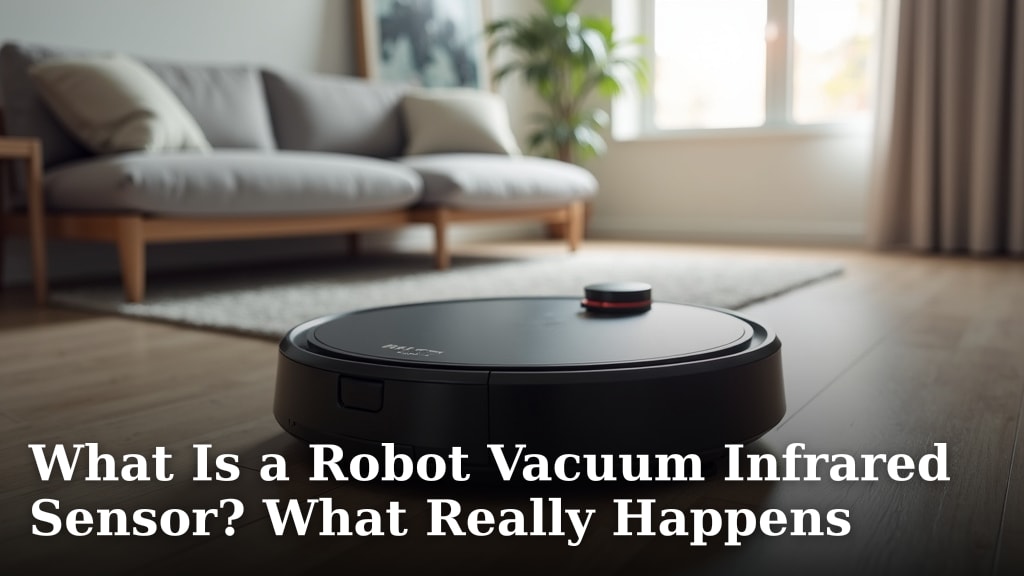
A robot vacuum infrared sensor is essentially your robot’s eyes, helping it see obstacles and navigate your home. It works by emitting infrared light beams and measuring how long it takes for those beams to bounce back after hitting something. This allows the vacuum to detect walls, furniture, and even drops like stairs, preventing crashes and falls. Think of it as a silent, invisible shield.
These sensors are vital for your robot vacuum’s smart navigation. They help it create a map of your rooms and avoid getting stuck. Without them, your robot would just bump around randomly. Many models use a combination of sensors for the best cleaning results. We found that this technology makes them incredibly helpful for keeping floors clean.
- Robot vacuums use infrared sensors to detect objects.
- These sensors emit light and measure the reflection time.
- This helps them avoid bumping into furniture and walls.
- They also prevent the vacuum from falling down stairs.
- Infrared sensors are key for smart navigation and mapping.
Let’s dive into exactly what makes these little sensors so important for your robot vacuum’s operation.
How Robot Vacuums “See” with Infrared Sensors
Robot vacuums use infrared sensors like a sixth sense to understand their surroundings. They help your little cleaning buddy navigate your home without constantly bumping into things. We found this technology makes them much more efficient than older models.
The Basic Idea: Light Beams and Echoes
Think of an infrared sensor like a tiny flashlight and a tiny camera working together. It shoots out invisible infrared light beams. When these beams hit an object, they bounce back. The sensor then measures how long it took for that light to return. This time tells the robot how far away the object is.
It’s a lot like how bats use echolocation to find their way in the dark. The robot sends out a signal and listens for the echo. This simple principle is behind a lot of your robot vacuum’s smart behavior. We’ve seen how effective this can be for avoiding everyday clutter.
What Kind of “Light” Are We Talking About?
Infrared light is a type of light that’s invisible to the human eye. It’s part of the electromagnetic spectrum, just like visible light and radio waves. We feel infrared light as heat. Your TV remote control uses infrared light to send signals to your TV.
Robot vacuums use a specific type of infrared emitter and detector. The emitter sends out pulses of this invisible light. The detector, often called a receiver, waits for the light to bounce back. It’s a quick and constant process happening as the robot moves.
Different Types of Infrared Sensors
Not all infrared sensors are created equal. Robot vacuums often use a few different kinds to do various jobs:
- Proximity Sensors: These are the most common. They detect if something is close by, like a wall or a table leg.
- Cliff Sensors: These are designed specifically to prevent the vacuum from falling down stairs or off ledges. They’re a critical safety feature.
- Wall Sensors: Some advanced robots use these to hug walls and edges effectively, ensuring they clean right up to the boundaries of your room.
How Proximity Sensors Work
Proximity sensors are your robot’s “eyes” for everyday obstacles. When the sensor shoots out an infrared beam and gets a quick return signal, it knows something is very close. This usually tells the robot to slow down or change direction. It’s like the robot gently tapping the object to feel its presence.
We found that these sensors are excellent at detecting solid objects like furniture legs and walls. They help the robot avoid direct, hard impacts. This saves your furniture from scuffs and your robot from damage. Many models have these sensors mounted on the front and sides.
The Importance of Cliff Sensors
Cliff sensors are a lifesaver for robot vacuums. They are usually located on the bottom of the robot. These sensors point downwards. They are programmed to detect a drop-off, like the edge of a staircase. When the sensor doesn’t detect a surface below it, it signals the robot to stop and back away.
This prevents your expensive robot vacuum from taking a tumble down the stairs. Imagine the mess! These sensors work by emitting infrared light and looking for its reflection from the floor. If there’s no floor to reflect the light back, the robot knows it’s at an edge. Research shows that reliable cliff detection is a must-have feature (Consumer Reports).
How These Sensors Help with Navigation
Infrared sensors are a key part of your robot vacuum’s navigation system. They provide the raw data the robot’s brain uses to make decisions. By detecting walls and furniture, the robot can begin to build a mental map of your home.
As the robot moves, it constantly scans its environment using these sensors. It logs where walls are, where furniture is, and where open spaces are. This information helps it plan an efficient cleaning path. Instead of just randomly bumping around, it can move in systematic patterns.
Mapping Your Home
Many modern robot vacuums combine infrared data with other sensors, like gyroscopes and cameras. This allows them to create a detailed map of your floor plan. The infrared sensors are often the first line of defense, identifying immediate obstacles. They help the robot understand the shape of rooms.
This mapping capability means your robot can clean more thoroughly and faster. It knows where it has been and where it needs to go. We’ve seen how much quicker a robot can clean a room when it has a good map to follow.
Avoiding Gets Stuck Scenarios
Infrared sensors also help prevent your robot from getting stuck. They can detect low-lying objects, like rugs with tassels that might snag, or cords that could entangle the brushes. If a sensor detects an object that might cause a problem, the robot can either avoid it or try a different approach.
This is especially helpful for homes with lots of different types of flooring or furniture. The robot can adapt its path on the fly based on what its sensors are telling it. It’s like having a tiny, persistent assistant that’s always checking for potential hazards.
Limitations of Infrared Sensors
While incredibly useful, infrared sensors aren’t perfect. They have limitations that you should be aware of. For instance, they struggle with highly reflective surfaces. A shiny mirror or a very glossy piece of furniture might confuse the sensor, making it seem like there’s no obstacle.
Dark objects can also be tricky. If an object is too dark, it might absorb the infrared light instead of reflecting it back. This means the sensor might not “see” it. Many newer robots use other sensor types, like LiDAR or cameras, to overcome these blind spots. We found that combining sensors leads to the best performance.
What Happens When Sensors Fail?
If your robot vacuum’s infrared sensors aren’t working correctly, you’ll likely notice issues right away. The robot might bump into furniture much harder than usual. It could also repeatedly get stuck in the same spots.
The most concerning issue is if the cliff sensors fail. A malfunctioning cliff sensor could lead to your robot falling down stairs. If you see your robot behaving erratically or struggling to navigate, it might be time to check its sensors. Keeping them clean is often the first step. Research indicates that regular maintenance prolongs the life of electronic components (IEEE Spectrum).
Keeping Your Robot’s “Eyes” Clean
Just like your own eyes need to be clear to see, your robot’s sensors need to be clean to work properly. Dust, dirt, and pet hair can accumulate on the sensor lenses. This buildup can block the infrared light, making the sensors less effective or completely useless.
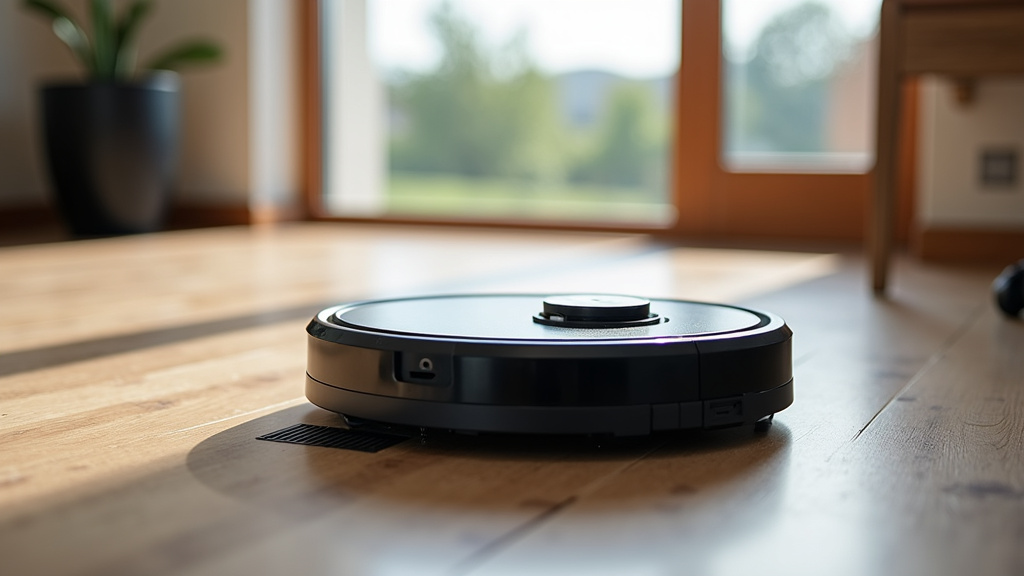
We recommend a simple routine: after each cleaning cycle, or at least once a week, gently wipe down all the sensors. Use a soft, dry microfiber cloth. For stubborn grime, you can slightly dampen the cloth with water. Never use harsh chemicals, as they can damage the plastic or the sensor itself. This simple step ensures your robot can navigate your home effectively.
A Quick Checklist for Sensor Care
Here’s how to ensure your robot’s sensors are in tip-top shape:
- Locate all sensors: Check the front, sides, and bottom of your vacuum.
- Visual inspection: Look for any obvious dust or debris.
- Gentle wiping: Use a clean, dry microfiber cloth.
- Damp cloth for tough spots: Use water only, sparingly.
- Avoid chemicals: Never use window cleaner or abrasive materials.
- Regular cleaning: Make it a habit after use or weekly.
Conclusion
You’ve learned that your robot vacuum’s infrared sensors are its essential navigation tools, like a set of invisible eyes. They allow your vacuum to detect walls, furniture, and dangerous drops, ensuring a safe and efficient clean. By understanding how these sensors work and the simple steps to keep them clean, you can help your robot perform at its best. You’ve learned how infrared sensors help your robot vacuum navigate, and our guide explains how it can also know when to charge.
Make sensor cleaning a regular part of your robot vacuum’s maintenance routine. A quick wipe after each use will keep its “eyes” clear and your floors clean.
Frequently Asked Questions
Can infrared sensors see in complete darkness?
Yes, infrared sensors work by emitting their own light, so they don’t rely on ambient light. This means they can detect objects effectively even in a completely dark room. That’s why your robot vacuum can clean at night.
Will shiny surfaces confuse my robot vacuum’s sensors?
Shiny or highly reflective surfaces can sometimes confuse infrared sensors. The light might bounce back too quickly or in an unexpected way. This can make the robot think there’s no obstacle or misjudge its distance. Newer models often use multiple sensor types to avoid this.
What’s the difference between cliff sensors and proximity sensors?
Cliff sensors are located on the bottom and point downwards to detect drops like stairs, preventing falls. Proximity sensors are typically on the front and sides, detecting nearby objects like walls and furniture to avoid collisions. They serve different, but equally important, navigation roles.
How often should I clean my robot vacuum’s sensors?
We recommend cleaning your robot’s sensors at least once a week, or even after each cleaning cycle if your home is particularly dusty. Dust and debris can easily accumulate and block the sensors, reducing their effectiveness. A simple wipe with a microfiber cloth is usually all it takes.
Can infrared sensors detect all types of objects?
Infrared sensors are great for most common obstacles, but they can struggle with very dark or transparent objects. Extremely dark objects might absorb the light, while clear glass might not reflect it properly. This is why many robot vacuums use a combination of sensors for better detection.