What Is a Bagless Robot Vacuum? A Straight Answer
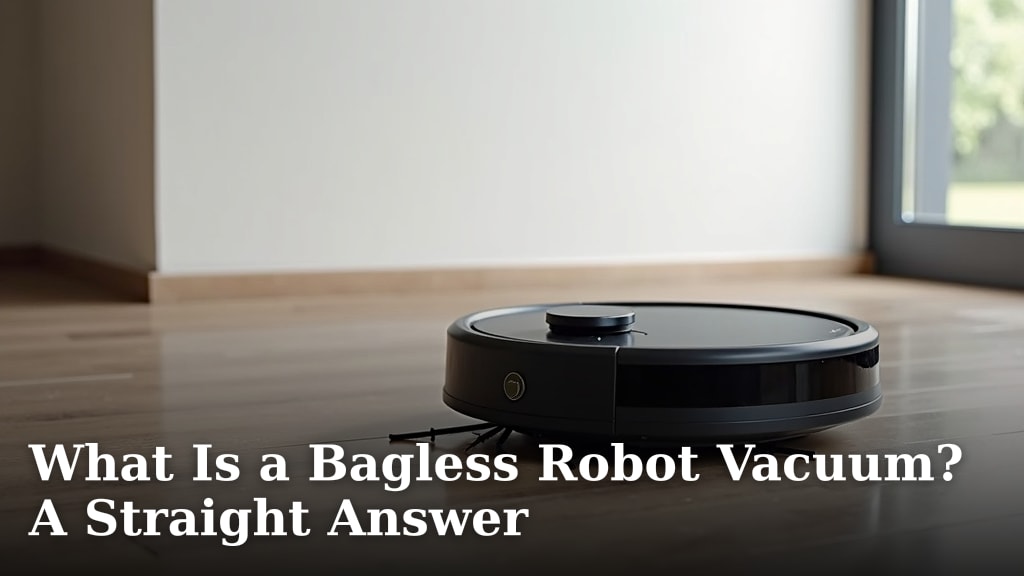
A bagless robot vacuum is an automatic cleaning device that collects dirt and debris in a reusable bin instead of disposable bags. You simply empty this bin after it’s full. This makes them a convenient and eco-friendly choice for keeping your floors clean with minimal effort.
Unlike traditional vacuums that need bags, these smart cleaners use a built-in dustbin. This bin is easy to remove and empty directly into your trash can. Many models also feature advanced navigation to map your home efficiently.
- Bagless robot vacuums use a reusable dustbin.
- You empty the bin directly into the trash.
- They offer a convenient and greener cleaning solution.
- Many feature smart mapping technology.
- They are great for daily maintenance cleaning.
Ready to learn more about how these handy gadgets work and what makes them tick? Let’s dive in and cover all the details you need.
So, you’ve seen these little robot vacuums zipping around and wondered, “What exactly makes them tick?” Let’s break down the bagless robot vacuum in plain terms. Think of it as your personal floor cleaner that works on its own schedule.
Understanding the Bagless Robot Vacuum Cleaner
A bagless robot vacuum is an automatic cleaning device that collects dirt and debris in a reusable bin instead of disposable bags. You simply empty this bin after it’s full. This makes them a convenient and eco-friendly choice for keeping your floors clean with minimal effort.
Unlike traditional vacuums that need bags, these smart cleaners use a built-in dustbin. This bin is easy to remove and empty directly into your trash can. Many models also feature advanced navigation to map your home efficiently.
How Does a Bagless Robot Vacuum Work?
At its core, a bagless robot vacuum is designed to clean your floors automatically. It uses a combination of sensors, brushes, and a suction motor. These components work together to pick up dust, pet hair, crumbs, and other everyday messes. The debris is then funneled into a removable dustbin located within the robot’s body.
When the bin gets full, the robot will typically signal you. You then manually remove the bin, empty its contents into your trash can, and reinsert it. This simple process eliminates the ongoing cost and hassle of buying replacement vacuum bags.
Key Components and Their Functions
To understand how these robots work, it helps to know their main parts:
- Wheels: These allow the robot to move around your home. They are often designed to navigate over small thresholds and carpets.
- Brushes: Most bagless robots have at least one main brush roller underneath. This brush loosens dirt from the floor. Some also have side brushes that sweep debris towards the main brush.
- Suction Motor: This is the heart of the vacuum. It creates the airflow needed to pull dirt and debris into the dustbin.
- Sensors: These are the robot’s “eyes.” They help it detect walls, furniture, drops (like stairs), and obstacles. This prevents it from bumping into things too hard or falling down.
- Dustbin: This is where all the collected dirt goes. It’s designed to be easily removed and emptied by the user.
- Filter: A filter is usually present to trap fine dust particles and allergens. This prevents them from being released back into the air.
The Role of Sensors
Sensors are incredibly important for a robot vacuum’s operation. They help the robot navigate your home effectively. Without them, it would just bump randomly into everything. We found that different robots use various types of sensors, including infrared, optical, and even cameras in some advanced models.
Dustbin Design and Maintenance
The dustbin is a defining feature. It’s typically a plastic container that clicks into place. When it’s time to clean, you just pull it out. Many bins have a simple lid you can open over the trash can. We found that emptying the bin usually takes less than a minute. It’s a much more user-friendly process than dealing with traditional vacuum bags. It’s recommended to empty the bin after each cleaning cycle or when the robot indicates it’s full.
Advantages of Going Bagless with Your Robot Vacuum
Choosing a bagless robot vacuum offers several benefits over models that use bags. These advantages often translate to easier ownership and a more sustainable cleaning routine.
Cost Savings Over Time
One of the most immediate benefits is the elimination of recurring costs. With traditional vacuums, you constantly need to buy new bags. These can add up over the years. A bagless robot vacuum doesn’t require this ongoing expense. You purchase the vacuum once, and the main consumable cost is the occasional replacement filter, which is far less frequent.
Environmental Friendliness
Reducing waste is a significant plus for many shoppers. Disposable vacuum bags contribute to landfill waste. By using a reusable dustbin, you reduce your environmental footprint. This is a small change that makes a difference for the planet. Many experts also point out that manufacturing fewer disposable items is generally better for the environment (EPA guidelines).
Convenience and Ease of Use
The convenience factor is high. Imagine never having to buy or change a vacuum bag again. When the robot is full, you simply remove and empty the bin. This process is quick and straightforward. It’s less messy than dealing with dusty, full bags. This ease of use makes maintaining clean floors much simpler for busy households.
Better for Allergy Sufferers (Potentially)
While some traditional bagged vacuums offer excellent filtration, the act of changing a full bag can release dust and allergens into the air. With a bagless robot, you empty the bin directly into the trash. Some advanced robots even have HEPA filters in their dustbins. This can help trap fine particles and allergens. We found that emptying the bin can be done with minimal dust disturbance if done carefully.
When to Empty the Dustbin
Most robot vacuums will alert you when their dustbin is full. This is often a light on the unit or a notification on a smartphone app. For a standard-sized home, you might need to empty it after every 1-3 cleaning cycles. For homes with pets or heavy foot traffic, you might need to empty it more frequently.
Real-time Monitoring and Control
Many modern bagless robot vacuums come with companion smartphone apps. These apps allow you to start, stop, and schedule cleanings remotely. You can often see the robot’s cleaning progress on a map of your home. This Many modern bagless robot vacuums come with companion smartphone apps that offer remote control and scheduling.level of control and insight is a significant convenience. You can ensure your floors are clean even when you’re not home.
Bagless Robot Vacuum Features to Consider
When you’re looking at bagless robot vacuums, certain features can make a big difference in performance and your overall satisfaction. Think about what’s most important for your home and lifestyle.
Navigation Technology
This is how the robot maps and moves around your home.
- Random Navigation: These robots move in a somewhat random pattern. They can be effective but might miss spots or take longer.
- Systematic Navigation: These use sensors to create a more organized path. They often map your home for efficient cleaning.
- Smart Mapping: Advanced models use cameras or lasers to create detailed maps of your home. You can often set no-go zones or target specific rooms for cleaning.
Suction Power
Measured in Pascals (Pa), higher suction power means the robot can pick up more debris, especially from carpets. For homes with pets or a lot of hard floors, look for models with stronger suction. A good starting point for many homes is around 1500-2000 Pa, but higher is often better for carpets.
Battery Life and Auto-Recharge
Battery life determines how long the robot can clean on a single charge. Look at the manufacturer’s estimated run time. Most importantly, consider if the robot has an auto-recharge feature. This means if the battery runs low mid-clean, it will return to its dock, recharge, and then resume cleaning where it left off.
Filter Types
As mentioned, filters are important. Standard filters trap larger dust particles. HEPA filters are designed to capture much smaller particles, including allergens like pollen and pet dander. If allergies are a concern, look for a bagless robot vacuum with a HEPA-grade filter.
Dustbin Capacity
Dustbin size varies. Larger bins mean you’ll need to empty them less often. However, a larger bin can make the robot slightly bulkier. For most homes, a bin capacity of around 0.4 to 0.6 liters is common and usually sufficient for daily use.
Here’s a quick checklist to help you decide:
- Do you need smart mapping for efficient cleaning?
- Is high suction power important for your carpets or pets?
- Does the robot offer auto-recharge and resume?
- Is a HEPA filter a must-have for allergy relief?
- How often are you willing to empty the dustbin?
- Is an app for remote control something you want?
Comparison Table: Bagged vs. Bagless Robot Vacuums
To help visualize the differences, here’s a simple comparison:
| Feature | Bagless Robot Vacuum | Bagged Robot Vacuum (Less Common) |
|---|---|---|
| Dust Collection | Reusable internal dustbin | Disposable bag inside the robot |
| Ongoing Cost | Minimal (replacement filters) | Regular cost of replacement bags |
| Environmental Impact | Lower waste | Higher waste from disposable bags |
| Maintenance | Emptying bin regularly | Replacing bag when full |
| Potential for Mess | Small chance of dust when emptying bin | Dust released when changing bag |
As you can see, the bagless approach generally offers more convenience and long-term savings. The primary difference is the way dirt is stored and removed.
Conclusion
You’ve learned that a bagless robot vacuum is a smart, self-sufficient way to keep your floors tidy. By ditching disposable bags for a reusable bin, you save money and reduce waste. These robots use sensors for navigation and brushes to clean effectively, all managed through convenient apps. They offer a practical solution for daily maintenance, handling everyday messes with ease.
Ready to make cleaning easier? Consider your home’s needs, like pet hair or allergies, and choose the bagless robot vacuum that best fits your lifestyle. It’s time to enjoy cleaner floors with less effort.
Frequently Asked Questions
How often do I really need to empty the dustbin?
For most homes, emptying the dustbin after every 1-3 cleaning cycles is sufficient. If you have pets or high foot traffic, you might need to empty it more frequently, often after each cycle. Your robot vacuum will usually alert you when the bin is full.
Are bagless robot vacuums noisy?
The noise level can vary between models, but most are designed to be quieter than traditional upright vacuums. You can typically run them while you’re home without major disturbance, though they might be noticeable. Some apps allow you to schedule them for times you’re away.
Can a bagless robot vacuum handle pet hair?
Yes, many bagless robot vacuums are excellent at picking up pet hair. Look for models with strong suction power, good brush design to prevent tangling, and ideally, a HEPA filter to trap dander. Regular emptying of the dustbin is key when dealing with pet hair.
What happens if my robot vacuum gets stuck?
Most modern robot vacuums have sensors to avoid obstacles and prevent them from getting stuck. However, sometimes cords or loose rugs can cause issues. If your robot does get stuck, it will usually stop and alert you via its app or a light indicator. You’ll then need to manually free it and restart the cleaning cycle.
Do I need to prepare my home before the robot vacuum runs?
It’s a good idea to pick up small items like charging cables, socks, or small toys. These can get tangled in the brushes or block the robot’s path. While they can navigate around furniture, clearing clutter ensures a more efficient and uninterrupted cleaning session.