How Does a Self Emptying Robot Vacuum Work?
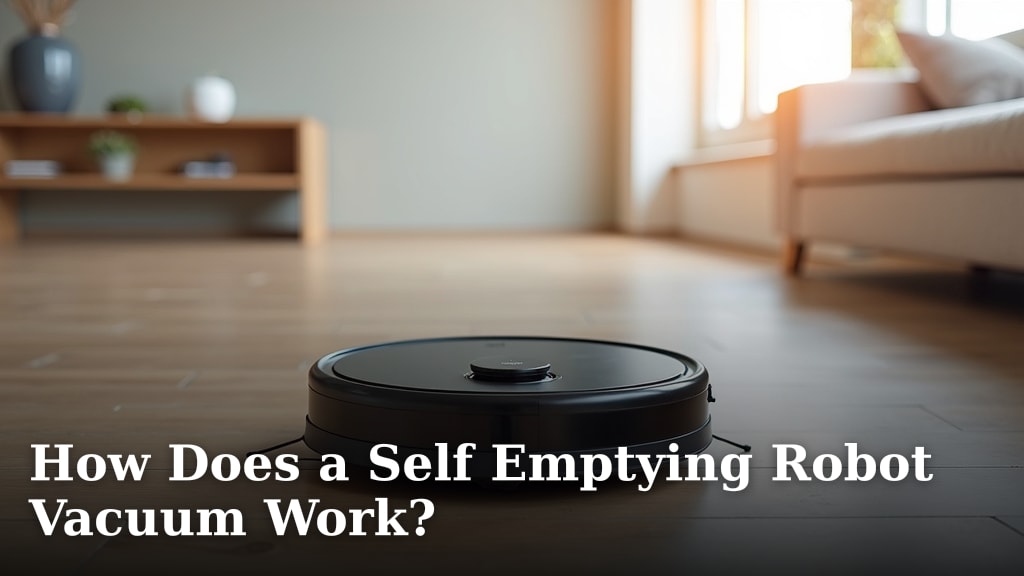
A self-emptying robot vacuum works by docking itself at a special base station to automatically empty its dustbin. When the robot’s bin is full, it returns to its dock and uses powerful suction to transfer debris into a larger bag or bin within the station. This means you don’t have to empty the small dustbin after every cleaning session, making it a more convenient option for busy households.
This innovative design simplifies robot vacuum maintenance considerably. The base station can often hold weeks’ worth of dirt and debris, depending on your home’s needs and the model you choose. Many systems also feature advanced filtration to capture allergens, keeping your air cleaner while the vacuum does its work.
- Self-emptying robots dock at a base station.
- The base station sucks dirt from the robot’s bin.
- This holds much more dirt than the robot’s bin.
- It reduces how often you need to do chores.
- Great for pet owners and allergy sufferers.
Let’s break down the technology behind this hands-off cleaning convenience so you can see exactly how it simplifies your life.
Understanding the Self-Emptying Robot Vacuum Mechanism
So, how does that magical self-emptying robot vacuum actually work? It’s a clever system that combines your robot cleaner with a special home base. Think of it like your robot having its own tiny, automated janitor service. When your robot finishes cleaning or its dustbin gets too full, it navigates back to its home base. This docking process is key to the whole operation.
The Docking and Emptying Process
Once your robot vacuum returns to its dock, a connection is made. This connection isn’t just for charging; it’s also for emptying. Special ports on the robot align with ports on the base station. When aligned, a powerful suction motor activates within the base. This motor pulls the collected dirt, dust, and debris right out of the robot’s smaller dustbin.
How the Suction Works
The suction power from the base station is considerably stronger than what the robot vacuum uses for regular cleaning. This allows it to efficiently transfer even fine dust and larger particles. We found that this process typically takes only about 10 to 20 seconds to complete. It’s designed to be quick and thorough.
Where Does the Dirt Go?
The dirt pulled from the robot’s bin is deposited into a larger bag or bin housed within the base station itself. These larger receptacles are designed to hold much more dirt. This is the main reason you don’t have to empty your robot’s small bin as often.
The Role of Sensors and Navigation
For this system to work, your robot needs to know when and where to go. It uses a combination of sensors and navigation technology. These help it map your home, detect obstacles, and find its way back to the charging dock. Many models use LiDAR or camera-based systems for precise navigation.
Detecting a Full Bin
Your robot vacuum is equipped with sensors to know when its internal dustbin is getting full. This might be a simple weight sensor or an infrared sensor that detects the fill level. Once it reaches a certain threshold, it triggers the return-to-dock command. Once it reaches a certain threshold, it triggers the return-to-dock command, which is how it knows when to charge.
Finding the Home Base
Returning to the dock requires accurate navigation. Robots use infrared signals or programmed “virtual walls” to guide them. Some advanced models can even pinpoint the dock’s exact location from across a room. This ensures they can reliably dock for emptying.
Components of a Self-Emptying System
A self-emptying robot vacuum isn’t just one device; it’s a two-part system. You have your robot cleaner and its companion base station. Each part plays a vital role in automating your cleaning routine. Let’s look at what makes up these two pieces.
The Robot Vacuum Cleaner Itself
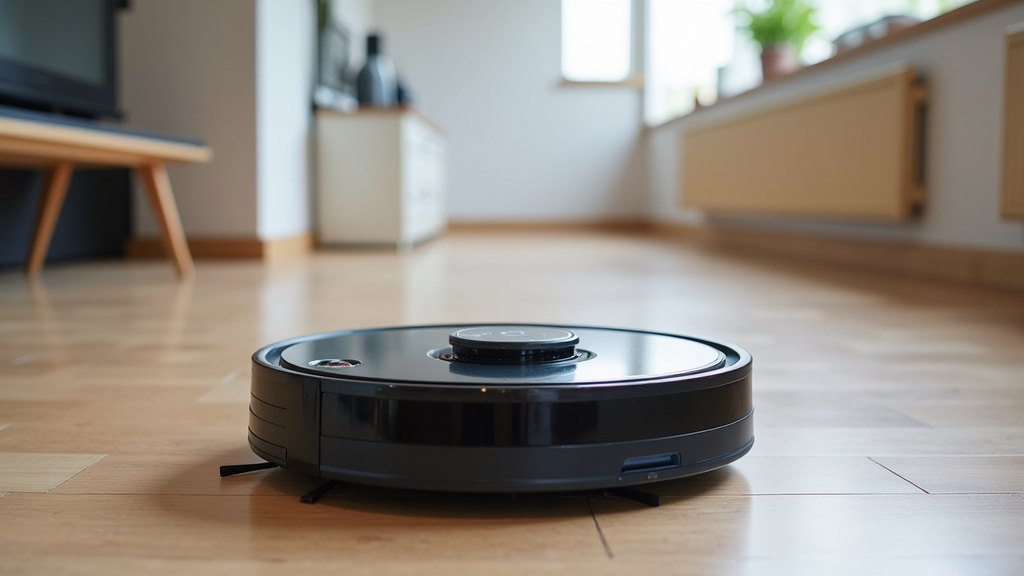
The robot vacuum is your primary cleaning tool. It has brushes to sweep dirt and a suction fan to pull it into its onboard dustbin. Most self-emptying models have a slightly larger dustbin than standard robots to hold more dirt between emptying cycles.
Onboard Dustbin Design
The internal dustbin on the robot is designed for easy transfer. It typically has a single opening that aligns with the base station’s port. We found that the capacity of this bin can vary, often holding enough dirt for a couple of cleaning cycles before needing to be emptied by the base.
The Self-Emptying Base Station
This is the heart of the convenience. The base station houses a powerful motor, a larger collection bin or bag, and the necessary docking mechanism. It’s where your robot goes to get emptied and recharged.
The Collection Bin/Bag Capacity
This is a key feature to consider when buying. Base stations can hold a significant amount of debris. Some can store weeks’ worth of dirt, depending on your home. For instance, a household with pets might fill it faster than a single-person home. We found capacities can range from 1 liter to over 3 liters.
Filtration System in the Base
Many self-emptying base stations also include their own filtration system. This is a great feature for allergy sufferers. As dirt is transferred, it passes through a filter, trapping fine particles and allergens. This prevents them from being released back into the air. Many guidelines recommend HEPA-level filtration for better air quality (Cleveland Clinic).
Types of Collection Systems
There are a couple of main types of collection systems in the base stations. Some use a disposable bag that you’ll eventually need to replace. Others use a large, reusable bin that you can empty manually. The bag systems tend to be more effective at containing dust, but they are an ongoing cost.
Benefits of Using a Self-Emptying Robot Vacuum
The primary advantage of this technology is clear: less manual work for you. You can set it and forget it for longer periods. This automation makes maintaining a clean home much easier.
Reduced Maintenance Frequency
Instead of emptying your robot’s tiny bin after every run, you might only need to empty the base station’s larger bin every few weeks or even months. This is a huge time-saver for busy individuals or families. It means less interaction with dust and dirt.
Improved Air Quality
When the robot empties itself into the base, a good filtration system can capture fine particles. This can lead to cleaner indoor air. For people with allergies or asthma, this feature can make a noticeable difference. Research often points to good filtration as a way to reduce airborne allergens (CDC).
Convenience for Pet Owners
If you have furry friends, you know how much pet hair can accumulate. A self-emptying robot vacuum tackles this challenge head-on. It can automatically empty its bin, ensuring it’s ready for the next cleaning cycle without you having to constantly intervene.
Ideal for Busy Lifestyles
Let’s face it, life gets hectic. Having a robot vacuum that can manage its own dustbin frees up valuable time. You can focus on other tasks while your home stays clean. It’s like having a dedicated cleaning assistant working in the background.
Here’s a quick checklist to see if a self-emptying robot vacuum fits your needs:
- You want to clean your floors less often.
- You have pets that shed a lot of hair.
- You suffer from allergies or asthma.
- You have a busy schedule and little time for chores.
- You prefer a more hands-off approach to home cleaning.
- You want to reduce your direct contact with dust and debris.
Conclusion
You’ve learned how self-emptying robot vacuums automate floor cleaning. They use a smart base station to transfer dirt from the robot’s bin. This system reduces how often you need to interact with dust. It’s a great convenience for busy homes, pet owners, and allergy sufferers. Consider your cleaning needs and household size when choosing a model. Now you can confidently decide if this hands-off cleaning solution is right for your home.
Frequently Asked Questions
How often do I really need to empty the base station?
This really depends on your home. For smaller households with no pets, you might only need to empty it every 1-2 months. Homes with pets or high traffic areas may need emptying every 2-4 weeks. We found the capacity of the base bin is a key factor here.
Are self-emptying robot vacuums noisy when emptying?
Yes, the emptying process can be quite loud for a short period. The base station uses strong suction, which generates noise. We found this process usually lasts about 10-20 seconds. It’s generally not a continuous issue, but it’s noticeable.
What happens if the robot can’t find its base station to empty?
If the robot can’t navigate back to its dock, it will likely stop cleaning and display an error. Obstacles, poor lighting, or distance from the dock can cause this. You would then need to manually return it to the base to clear its bin.
Can I use any brand of robot vacuum with a universal self-emptying dock?
No, you generally cannot. Self-emptying docks are designed to work exclusively with specific robot vacuum models from the same brand. The ports and docking mechanisms need to align perfectly for the transfer to happen.
Do self-emptying base stations filter the air during emptying?
Many advanced self-emptying base stations do include their own filtration system. As dirt is transferred from the robot, it passes through a filter within the base. This helps to trap fine dust and allergens, improving your indoor air quality.