What Size Is a Typical Robot Vacuum? A Practical Guide
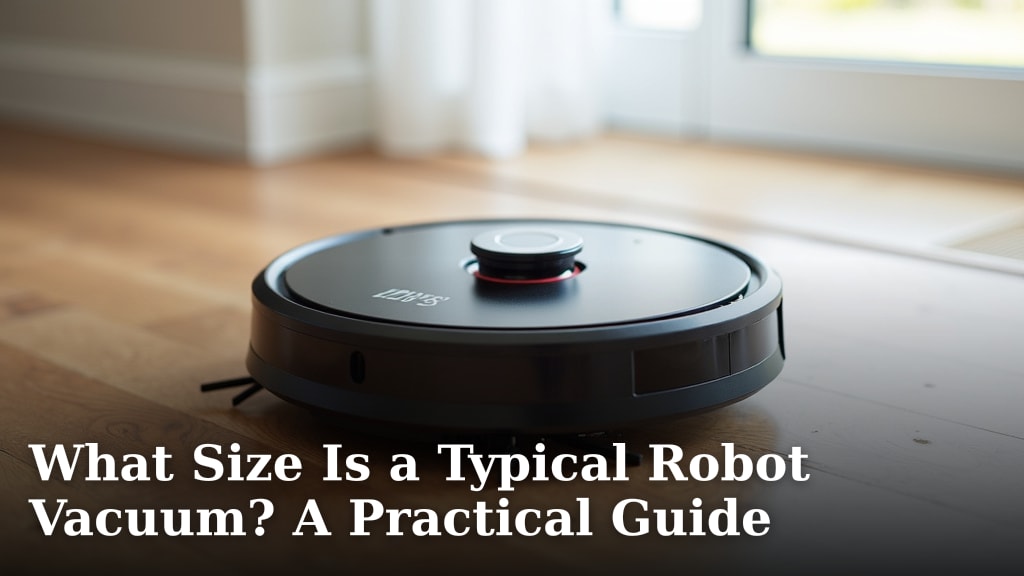
Robot vacuums come in a variety of sizes. Most models are designed to be compact and round. Think about 12 to 14 inches across. Their height usually ranges from 3 to 4 inches. This allows them to clean under most furniture. You won’t find many models outside these common dimensions.
When looking at robot vacuums, dimensions are a key consideration. You need to make sure they fit your home’s unique spaces. Are your doorways standard or a bit narrower? Does your sofa have ample clearance underneath? We found that understanding these measurements helps avoid unnecessary returns.
- Robot vacuums are typically 12-14 inches wide.
- Height is usually 3-4 inches.
- This allows them to clean under furniture.
- Consider your home’s specific clearances.
Let’s get a clearer picture of robot vacuum sizes and what that means for your cleaning routine. We’ll look at how dimensions affect their cleaning ability. Let’s get a clearer picture of robot vacuum sizes and how robot vacuums charge.
Robot Vacuum Dimensions: What to Expect
When you’re shopping for a robot vacuum, you’ll notice that most models stick to a pretty standard size. We found that the typical robot vacuum is round and about 12 to 14 inches in diameter. Think of a large dinner plate. This shape and size are by design. They allow the vacuum to navigate easily around furniture legs and into corners.
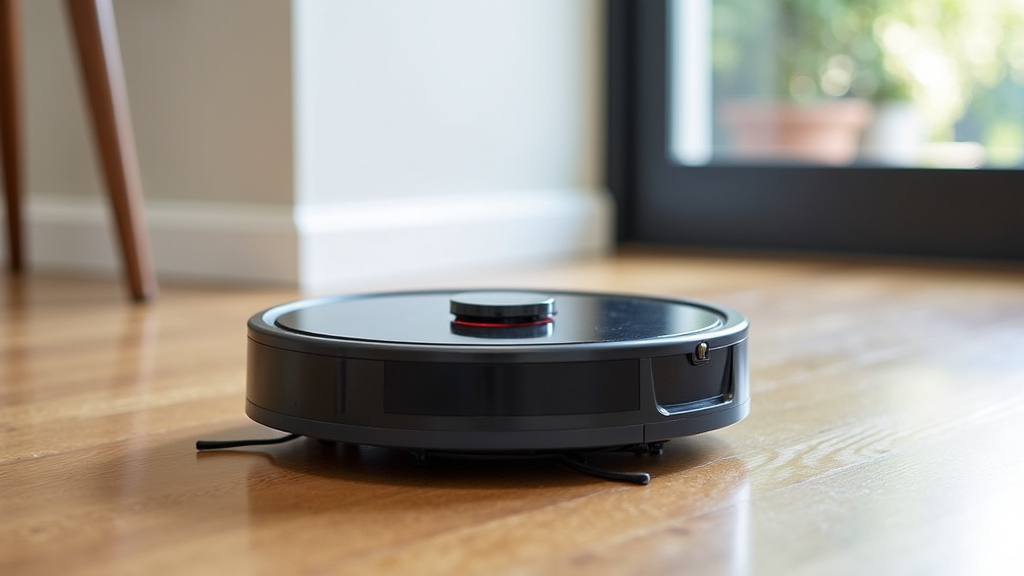
The height is also a key factor. Most robot vacuums are between 3 and 4 inches tall. This is short enough to slide under many sofas, beds, and cabinets. We recommend measuring the clearance under your furniture before you buy. This simple step can save you a lot of hassle later on. Some very low-profile furniture might still be a challenge, though. This simple step can save you a lot of hassle later on, as robot vacuums avoid stairs using special sensors.
Understanding the “Round” Standard
Why are most robot vacuums round? It’s all about maneuverability. A round shape means there are no sharp corners to get stuck on. It can spin and turn more freely. This makes cleaning around table legs and chair bases much smoother. We found that round vacuums tend to get less tangled on cords or rug fringes compared to some other shapes.
Some manufacturers do offer variations. You might see a few models with a D-shape. These often have a flat edge at the front. The idea is to offer better edge cleaning and corner reach. However, these can sometimes be a bit wider or get stuck more easily in tight spots. For most homes, the classic round shape is a reliable choice. It’s a design that works well for everyday cleaning tasks.
Diameter: How Wide Is Too Wide?
As we mentioned, the diameter usually falls between 12 and 14 inches. Let’s break that down. A 12-inch vacuum is about the size of a small pizza. A 14-inch vacuum is more like a large pizza. So, it’s not a huge difference, but it can matter in certain situations.
Consider your doorways. Most standard interior doorways are around 30-32 inches wide. Even the widest robot vacuum will have plenty of room to pass through. The real concern is navigating tight spaces within rooms. Think about the gap between your dining chairs or the space between a wall and a large piece of furniture. A slightly larger diameter might struggle in these areas.
We found that for homes with standard layouts and average-sized rooms, a 13-inch vacuum is often the sweet spot. It offers a good balance of cleaning coverage and maneuverability. If you have a lot of narrow hallways or very tight furniture arrangements, you might lean towards a 12-inch model. It’s about finding the best fit for your specific floor plan.
Height: Clearing the Obstacles
The 3 to 4-inch height is designed to tackle under-furniture cleaning. This is a big selling point for robot vacuums. They can reach places that are difficult to clean with a traditional vacuum. Think about the dust bunnies that gather under your bed or sofa. A robot vacuum can regularly sweep them up without you lifting a finger.
However, not all furniture has the same clearance. Some modern, low-profile sofas might only have 2-3 inches of space underneath. In these cases, a standard 3.5-inch robot vacuum might not fit. We recommend getting down on your hands and knees with a ruler or a book to measure. You want to make sure there’s at least a couple of inches of wiggle room for the robot.
Some robot vacuums are specifically designed to be extra slim. These “low-profile” models can be as short as 2.5 inches. If you have very low furniture, this might be a feature to look for. Just be aware that sometimes, a shorter robot might have a smaller dustbin or less powerful suction. It’s a trade-off to consider.
Beyond the Standard: What About Other Shapes and Sizes?
While round models dominate the market, you might encounter other shapes. As mentioned, D-shaped vacuums aim for better edge cleaning. Some brands have also experimented with square or rectangular designs. The goal is often to improve how well they clean along walls and in corners.
These less common shapes can sometimes be slightly larger in one dimension. For example, a D-shaped vacuum might have a width of 13 inches but a front edge that extends to 14 inches. This could make them slightly more prone to getting stuck in tighter gaps. We found that most users prefer the predictable navigation of round models.
The Impact of Size on Cleaning Performance
Does the size of a robot vacuum affect how well it cleans? Generally, the diameter and height are more about access than raw cleaning power. A larger diameter doesn’t automatically mean stronger suction. In fact, a slightly smaller robot might be able to access more areas, like under tighter furniture, leading to more complete floor cleaning.
The main brush roll size and suction power are better indicators of cleaning performance. However, a robot that can’t fit under your couch won’t clean there, no matter how strong its motor is. So, ensuring the dimensions are right for your home is a practical first step. We found that a well-chosen size leads to a more effective cleaning routine overall.
Specialized Robot Vacuums and Their Dimensions
While most robots are designed for general home cleaning, some have specific features that can affect their size. For instance, robot vacuums that also mop might have slightly different dimensions to accommodate their water tanks. These can sometimes be a bit taller or have a slightly larger footprint.
Also, consider robot vacuums designed for very large spaces or commercial use. These might be larger than your typical home model. However, for most homeowners, the standard 12-14 inch diameter and 3-4 inch height will be what you encounter and what you need.
A Quick Measurement Checklist
Before you get too deep into model comparisons, it’s wise to do a quick check of your home. This will help you narrow down your choices based on physical fit. Grab a measuring tape or even a standard-sized object, like a piece of paper (8.5×11 inches) or a book, to get a sense of scale.
- Measure the clearance under your most common low furniture (beds, sofas, cabinets).
- Note the narrowest doorframes or hallways you want the robot to navigate.
- Check the space between table and chair legs in dining or living areas.
- Consider the height of any thresholds between rooms.
- Think about how much space there is around pet food bowls or charging stations.
Comparing Robot Vacuum Sizes: A Visual Guide
To give you a better idea, let’s compare the typical robot vacuum size to common household items. This can help you visualize the dimensions within your own space.
| Item | Approximate Diameter/Width | Notes |
|---|---|---|
| Standard Robot Vacuum | 12 – 14 inches | Fits under most furniture. |
| Large Pizza | 14 – 16 inches | Similar width to larger robot vacuums. |
| Standard Dinner Plate | 10 – 12 inches | Slightly smaller than most robot vacuums. |
| Laptop Screen (15-inch) | Diagonal measurement, but width is comparable | Helps visualize width in context. |
| Shoebox | Varies, but typically 10-14 inches long | Can give a sense of footprint. |
What If My Furniture is Very Low?
If you have exceptionally low furniture, don’t despair. While the 3-4 inch height is standard, there are options. As we touched upon, look for “low-profile” robot vacuums. These are specifically engineered to be slimmer. They might be as short as 2.5 to 3 inches.
We found that these ultra-slim models are excellent for homes with modern, sleek furniture. However, it’s worth checking their specifications carefully. Sometimes, a slimmer design might mean a smaller dustbin capacity or a less robust brush system. You’ll want to balance the need to fit under furniture with your cleaning needs. Many reviews highlight which models perform well in low-clearance environments.
Can Robot Vacuums Navigate Standard Doorways?
Yes, absolutely! Standard interior doorways are typically around 30-32 inches wide. Even the widest robot vacuum, at 14 inches, has more than enough clearance to pass through easily. They can move freely between rooms, cleaning different areas of your home without getting stuck at the threshold.
The primary consideration for doorways is less about width and more about the threshold itself. Some older homes might have raised thresholds between rooms. You’ll want to ensure your chosen robot vacuum can handle that slight incline. Most models can manage small transitions, but it’s a detail to confirm if you have noticeable bumps between floors.
Conclusion
You’ve learned that robot vacuums are generally designed with practical dimensions in mind. Most are round, about 12 to 14 inches wide, and 3 to 4 inches tall. This standard size allows them to effectively navigate your home and clean under most furniture. Remember to measure your specific clearances before buying, especially under low-profile sofas or beds.
By understanding these common sizes and doing a quick home check, you can confidently choose a robot vacuum that fits your needs. Now, take those measurements and find the robot that works best for your space!
Frequently Asked Questions
Will a standard robot vacuum fit under my couch?
Most robot vacuums are 3 to 4 inches tall, designed to fit under typical couches. We recommend measuring the clearance to be sure, as some very low-profile furniture might be too short. A gap of at least 4-5 inches is ideal for most models to navigate easily.
Are D-shaped robot vacuums better for corners?
D-shaped robot vacuums often have a flat edge that can help with edge and corner cleaning. However, these can sometimes be a bit wider or get stuck more easily in tight spots. For most homes, the classic round shape offers reliable navigation and good overall cleaning performance.
Can a robot vacuum go through a standard doorway?
Yes, robot vacuums can easily pass through standard interior doorways, which are typically 30-32 inches wide. Even the widest models, around 14 inches, have plenty of room. The main thing to check is the threshold height, if any, between rooms.
What if my furniture is lower than 3 inches?
If your furniture has very low clearance, look for “low-profile” robot vacuums. These models are specifically designed to be slimmer, often around 2.5 to 3 inches tall. Just be sure to check reviews for their cleaning power and dustbin size, as these can sometimes be smaller.
Does a larger robot vacuum mean it cleans better?
Generally, the size of a robot vacuum is more about fitting into your home than about cleaning power. While larger models might have bigger brushes or dustbins, a slightly smaller robot can access more areas. Focus on the vacuum’s suction power and brush design for cleaning performance.