What Is a Robot Vacuum Ultrasonic Sensor?
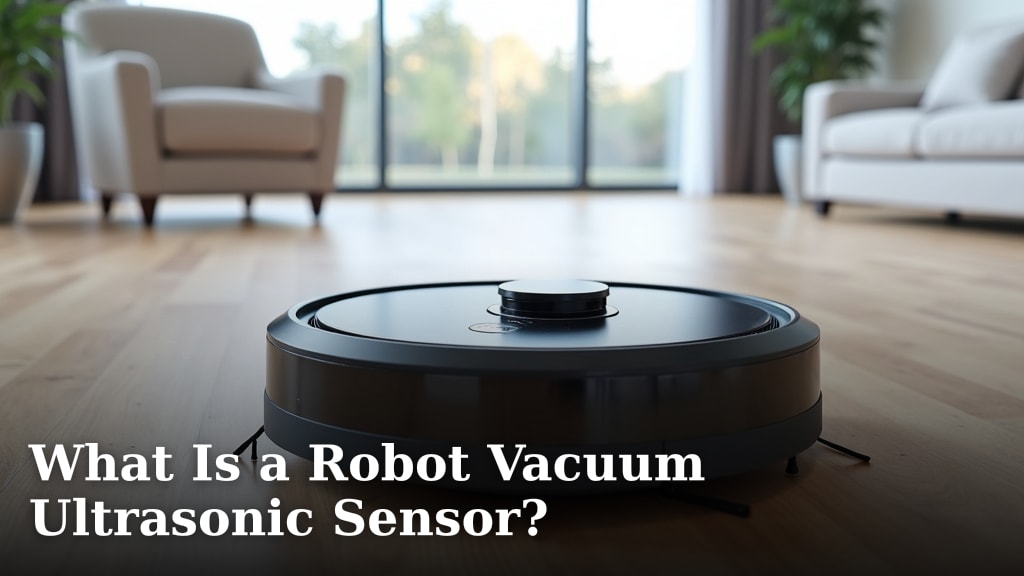
A robot vacuum ultrasonic sensor is a tiny device that helps your robot vacuum detect obstacles. It works by sending out sound waves and listening for their echoes. This allows your robot to avoid bumping into furniture, walls, and even pets.
Think of it as the robot’s ears. By using these sound waves, the sensor can accurately measure distances to objects in its path. This is key for efficient cleaning and to prevent your smart home helper from getting stuck or damaging your belongings. We found that these sensors are a fundamental part of a robot vacuum’s navigation system.
- Robot vacuum ultrasonic sensors help detect objects.
- They use sound waves to measure distances.
- This prevents bumps and improves cleaning paths.
- It’s a core navigation technology for these devices.
Let’s get a clearer picture of how these helpful sensors work and why they’re so important for your robot vacuum.
Understanding Your Robot Vacuum’s Ultrasonic Sensors
Robot vacuums use a variety of sensors to navigate your home. One type you’ll often find is the ultrasonic sensor. These sensors are like the robot’s sonar system. They help your vacuum understand its surroundings. This means it can clean effectively without getting lost or stuck. We found that these are pretty common in many mid-range to higher-end robot vacuums.
How Do Ultrasonic Sensors Work?
Think of how a bat navigates in the dark. It uses echolocation. Ultrasonic sensors work on a similar principle. Your robot vacuum sends out high-frequency sound waves. These sounds are too high for humans to hear. The waves travel out and bounce off objects. The sensor then listens for the echoes coming back.
By measuring how long it takes for the echo to return, the robot can calculate the distance to the object. It’s like shouting in a canyon and timing how long it takes for your voice to bounce back. The faster the echo returns, the closer the object is. This allows your robot to know where walls, furniture, and even pets are.
The Transmitter and Receiver
An ultrasonic sensor typically has two main parts. There’s a transmitter that emits the sound waves. There’s also a receiver that listens for the returning echoes. These two components often work together in tiny modules on your robot vacuum.
What Ultrasonic Sensors Can Detect
These sensors are great at detecting larger, solid objects. They can sense walls, table legs, and cabinets. They are especially good at detecting objects directly in front of the robot. This helps the vacuum steer clear of collisions.
What Ultrasonic Sensors Can’t Detect So Well
However, ultrasonic sensors have limitations. They might not do as well with soft or angled surfaces. For example, a thick curtain or a plush sofa might absorb the sound waves. This means the robot might not detect them accurately. Also, very thin objects, like a dangling power cord, can be tricky for them. They are also not great at detecting changes in floor height, like a step down. This is why robot vacuums often use This is why robot vacuums often use multiple types of sensors to ensure safe navigation.multiple types of sensors.
Why Are Ultrasonic Sensors Important for Your Robot Vacuum?
These sensors play a vital role in how your robot vacuum cleans. They help ensure a smoother cleaning experience for you. They are a key part of your robot’s navigation strategy. We found that without them, robots would bump into things far more often.
Preventing Bumps and Damage
The primary function is to avoid collisions. By sensing objects, the robot can slow down or change direction. This prevents it from knocking over lamps or scratching your furniture. It also protects the vacuum itself from damage. Imagine your robot vacuum ramming into your beloved antique chair repeatedly. Ultrasonic sensors help prevent that.
Improving Cleaning Efficiency
Ultrasonic sensors help the robot create a more logical cleaning path. Instead of just randomly bumping around, it can map out rooms. It knows where walls are and where it needs to turn. This leads to more thorough coverage of your floors. Your vacuum spends less time stuck or repeatedly cleaning the same spot.
Working with Other Sensors
Robot vacuums don’t rely on just one type of sensor. They often use a combination. Ultrasonic sensors work alongside other technologies like infrared sensors or cameras. This creates a more complete picture of the environment. For instance, infrared sensors are good at detecting edges, like the top of stairs. Cameras can help identify specific objects like charging docks or different types of clutter. This teamwork ensures your robot vacuum can navigate your home safely and efficiently.
| Sensor Type | How it Works | Good For | Not So Good For |
|---|---|---|---|
| Ultrasonic | Emits sound waves, detects echoes. | Detecting walls, large furniture, clear obstacles. | Soft surfaces, angled surfaces, thin objects, drop-offs. |
| Infrared (IR) | Emits infrared light, detects reflections or breaks in the beam. | Detecting edges (cliffs), docking stations, some obstacles. | Dark or shiny objects, accurate distance measurement. |
| Lidar/Laser | Scans environment with lasers to create a map. | Precise mapping, navigation, detecting small obstacles. | Can be affected by reflective surfaces or poor lighting. |
| Camera/Vision | Uses cameras to “see” and identify objects. | Object recognition (cords, pet waste), advanced mapping. | Requires good lighting, can be slower to process. |
What to Look For in Robot Vacuums with Ultrasonic Sensors
When you’re shopping for a robot vacuum, understanding its sensors can help you make a good choice. Many vacuums use ultrasonic sensors, so you’ll see them frequently. It’s good to know how they fit into the overall navigation system.
Many experts suggest that a robot vacuum with multiple sensor types will perform better. This is because each sensor has strengths and weaknesses. Combining them creates a more robust system. You want a vacuum that can handle different situations in your home.
Checking Sensor Placement
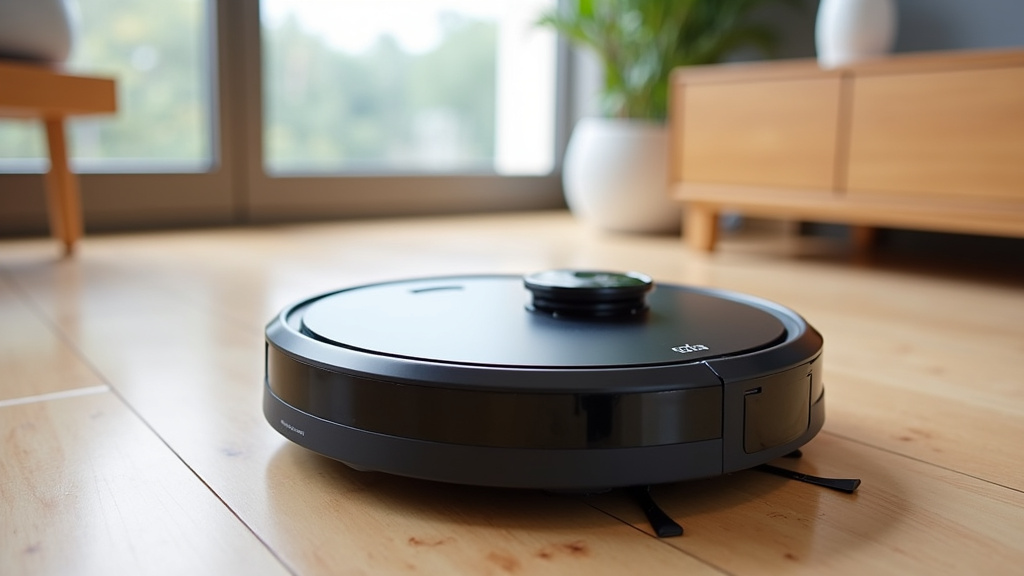
Typically, you’ll find ultrasonic sensors located on the front bumper of the robot vacuum. This placement allows them to “look ahead” as the robot moves. Some models might have them on the sides as well, offering broader detection. Just check the product description or look at pictures of the vacuum.
Considering Your Home’s Layout
Think about your home. Do you have a lot of open spaces, or is it filled with furniture? Are there many soft rugs or thick curtains? If your home has lots of large, solid objects, ultrasonic sensors will be very helpful. If you have many delicate items or a very minimalist setup, other sensors might be more critical.
Understanding Performance Claims
Be realistic about what sensors can do. While ultrasonic sensors are effective, they aren’t perfect. They help a lot with general navigation, but they might miss small items. Always check reviews to see how well a specific model performs in real-world conditions. We found that many reviews mention how well a vacuum handles specific types of obstacles.
A Quick Checklist for Sensor-Savvy Shopping
- Read the specs: Look for mentions of “ultrasonic sensors.”
- Check the sensor count: More sensors can mean better navigation.
- Look at sensor placement: Are they on the front or sides?
- Consider your home: How will sensors handle your furniture and rugs?
- Read user reviews: See how they perform in real homes.
- Don’t forget other sensors: Look for a good mix of navigation tech.
Conclusion
You’ve learned how your robot vacuum’s ultrasonic sensors act as its “ears,” using sound waves to map out your home. These sensors are key to preventing frustrating bumps and improving how your vacuum cleans. While they excel at detecting larger objects, remember they have limitations, especially with soft or angled surfaces. That’s why robot vacuums often combine them with other sensor types for the best navigation. Consider these sensors when choosing your next cleaning companion, and you’ll get a smarter, more efficient helper.
Frequently Asked Questions
How often do ultrasonic sensors fail on robot vacuums?
Ultrasonic sensors are generally quite durable. Failures are not very common with regular use. Most issues arise from physical damage, like a cracked sensor housing from a hard impact.
Can ultrasonic sensors detect my pet?
Yes, ultrasonic sensors can often detect pets like cats and dogs. They are good at sensing living beings as solid obstacles. However, if a pet is very still or blends in with furniture, the sensor might not detect it.
Are robot vacuums with ultrasonic sensors better than those without?
Robot vacuums with ultrasonic sensors tend to navigate more efficiently. They are better at avoiding furniture and walls. While not the only important sensor, they contribute significantly to smarter cleaning patterns.
What’s the difference between ultrasonic and infrared sensors?
Ultrasonic sensors use sound waves to measure distance, working like sonar. Infrared sensors use light beams to detect obstacles or changes in elevation. They are good at different tasks, which is why many vacuums use both.
Can ultrasonic sensors tell the difference between a wall and a table leg?
Ultrasonic sensors primarily measure distance. They tell the robot that an object is there and how far away it is. They don’t typically “see” or identify the object itself like a camera would.