What Is a Cliff Sensor on a Robot Vacuum?
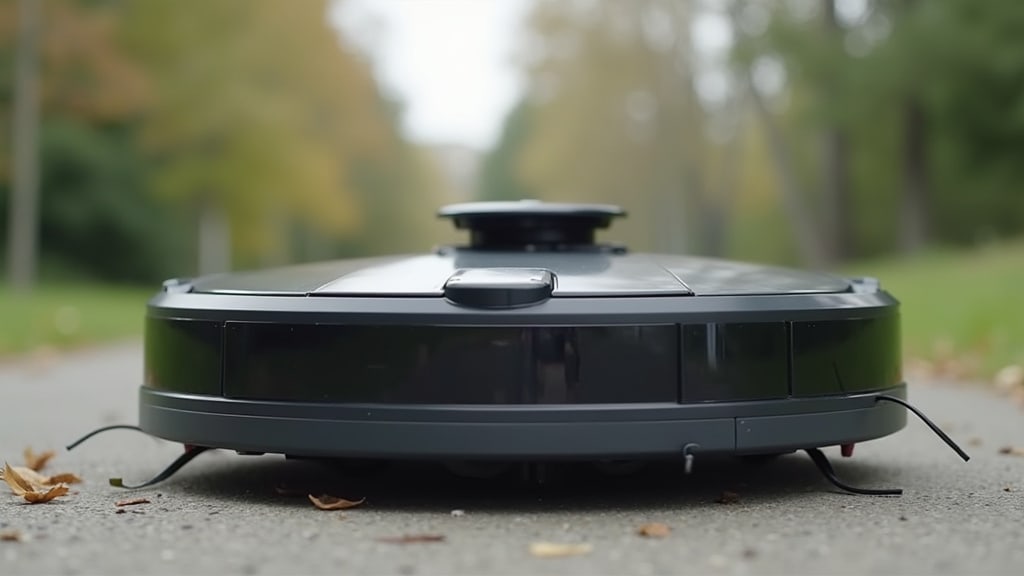
A cliff sensor on a robot vacuum is a safety feature that uses downward-facing sensors to detect drops. It prevents your vacuum from falling down stairs or off ledges by stopping it at the edge.
Think of it as the robot’s built-in survival instinct. Without it, your expensive cleaner could take a tumble and break. We found that this simple technology is a key reason modern robot vacuums are so reliable in homes with multiple levels.
- What it does: It’s an anti-fall system that stops your vacuum before a dangerous drop.
- How it works: Invisible infrared sensors look for the floor below and signal the robot to back away.
- Why it matters: It prevents expensive damage to your vacuum and keeps your floors safe from a crashing machine.
- Where it’s found: Nearly every major robot vacuum brand includes this standard safety feature.
Below, we’ll look at exactly how these sensors work and what to do if you ever think they need a check.
How Cliff Sensors Prevent Falls in Robot Vacuums
A cliff sensor is a small infrared device on the bottom of your robot vacuum. It constantly checks for a drop in the floor ahead. When it senses an edge, it tells the robot to stop and back away immediately.
Think of it like the safety sensors on an automatic garage door. If something breaks the beam, the door reverses. Your robot vacuum uses a similar idea to keep itself from taking a nasty fall.
The Technology Behind Cliff Sensors
These sensors are surprisingly simple but very effective. They rely on light you can’t see to map the space right under your vacuum.
Infrared Sensors and How They Detect Drops
Most cliff sensors use infrared (IR) light. This is the same light used in your TV remote control. Your vacuum has several of these sensors on its underside, usually near the front wheels.
Emitting Infrared Light
Each sensor contains a tiny LED that shoots out a pulse of infrared light downward. This light hits the floor and bounces back. A receiver in the sensor measures how much light returns.
Receiving the Signal Back
When the vacuum is on a solid floor, most of the light bounces back to the receiver. If the vacuum approaches a step, the light has nothing to bounce off. The sensor detects this lack of return signal. It’s like shining a flashlight down a hole—it doesn’t reflect back.
How the Robot Processes Sensor Data
The sensor sends a simple signal to the vacuum’s main computer: “Light received” or “No light received.” The computer interprets this as “Floor present” or “Drop detected.”
- Quick reaction time: This processing happens in milliseconds. Your vacuum can stop safely even at full speed.
- Multiple sensor confirmation: Most vacuums have 2-4 cliff sensors. They all need to agree a drop is present before the robot stops. This prevents false alarms from a bit of dirt on a sensor.
Why Every Robot Vacuum Needs Cliff Sensors
This isn’t just a fancy add-on. It’s a fundamental safety feature for any autonomous cleaning device.
Preventing Damage to Your Vacuum
A modern robot vacuum is a complex machine with motors, brushes, and electronics. A fall from counter height could crack the casing, damage sensors, or ruin internal components. According to repair technicians, drop damage is one of the most common reasons for robot vacuums needing expensive fixes.
Safety for Your Home and Pets
A falling vacuum isn’t just bad for the machine. It can startle pets, potentially knock over objects near stairs, or even become a tripping hazard if it lands in a walkway. In homes with young children, a tumbling robot is the last thing you want.
Many experts point to cliff sensors as a baseline requirement for any autonomous home device. They allow the vacuum to operate independently without constant supervision from you.
Troubleshooting Cliff Sensor Problems
Over time, these sensors can get dirty or occasionally fail. Knowing the signs can save you a headache.
Signs Your Sensors Might Be Malfunctioning
Watch for these behaviors in your robot vacuum:
- It stops abruptly on flat floors where there are no edges.
- It hesitates or spins at the top of a staircase but doesn’t fall.
- It might ignore a drop and tumble off an edge (this is rare but serious).
- Error messages on your app or the robot itself related to cliff sensors.
Easy Cleaning Steps You Can Do at Home
Often, the problem is just dust, pet hair, or dirt blocking the sensor window. Cleaning them is a simple maintenance task you can do every few weeks.
Here’s a quick checklist for sensor care:
- 1. Power off your robot vacuum completely. Flip it over so the wheels and sensors are facing up.
- 2. Locate the cliff sensors. They are small, dark, circular or oval windows on the bottom edge.
- 3. Use a dry microfiber cloth or cotton swab. Gently wipe each sensor window to remove dust and debris.
- 4. Check for any sticky residue. If needed, slightly dampen the cloth with water or isopropyl alcohol. Never spray liquid directly on the sensor.
- 5. Let the sensors air dry completely. Ensure no moisture remains before turning the vacuum back on.
- 6. Test on a safe, flat area. Place it near a drop (like a step) but supervise it to confirm it stops correctly.
Cliff Sensors Compared to Other Safety Features
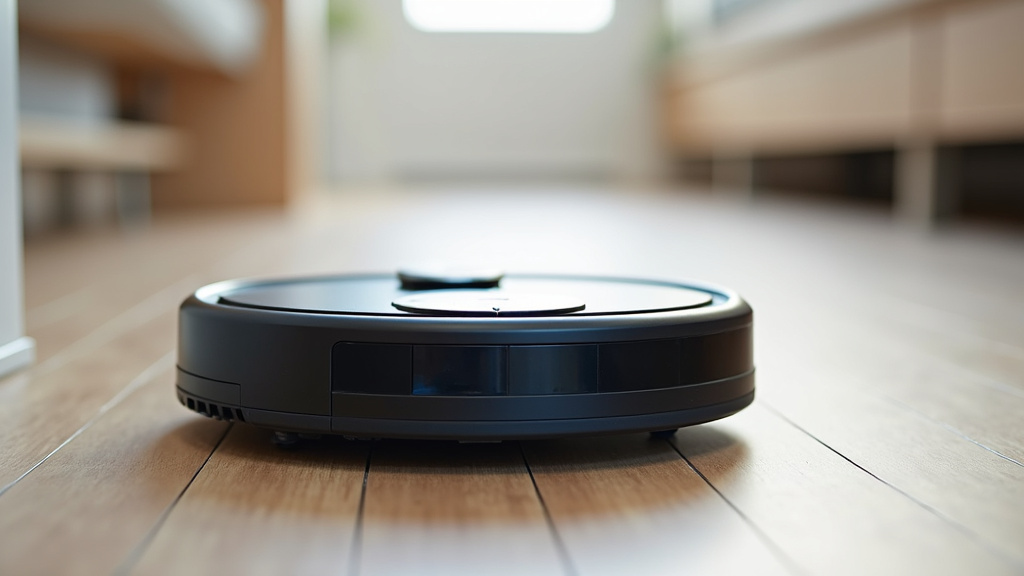
Cliff sensors are part of a team of sensors that keep your vacuum safe. They work differently from other systems.
Bump Sensors vs. Cliff Sensors
This table clarifies their distinct roles:
| Feature | Cliff Sensor | Bump Sensor |
|---|---|---|
| Purpose | Prevent falls from edges. | Detect solid objects like walls or furniture. |
| Technology | Infrared light beam. | Physical pressure switch or mechanical bumper. |
| Reaction | Stops and reverses before contact. | Physically bumps, then redirects. |
| Example Scenario | Approaching the top of a staircase. | Rolling into a chair leg. |
You can see they complement each other. Cliff sensors handle vertical dangers, while bump sensors handle horizontal obstacles.
What If Your Robot Vacuum Falls Off a Step?
Even with cliff sensors, accidents can happen. If your vacuum takes a tumble, stay calm and follow these steps.
First Aid for Your Fallen Robot
First, retrieve the vacuum gently. Turn it off immediately. A fall can loosen internal parts, and running it could cause more damage. Check for any obvious cracks, broken brushes, or wheels that are askew.
When to Contact Customer Support
If the vacuum appears damaged, or if cliff sensor errors persist after cleaning, it’s time to reach out to the manufacturer. Do not attempt to open or repair the vacuum yourself if it’s under warranty. Many companies have specific protocols for drop damage. We found that providing
Conclusion
In short, cliff sensors are the essential safety guardians on your robot vacuum. They use invisible infrared beams to constantly check for floor drops, preventing a dangerous tumble down stairs or off ledges. This simple, reliable technology protects both your investment and your home. To keep this system working perfectly, make cleaning those small sensor windows part of your regular vacuum care routine. A quick wipe every few weeks ensures your robot can navigate safely on its own.
Frequently Asked Questions
How long do cliff sensors last on a robot vacuum?
Cliff sensors are solid-state electronic components with no moving parts. They typically last for the entire lifespan of the robot vacuum itself. Their main issue isn’t failure, but getting dirty, which is why regular cleaning is so important for their longevity.
Can cliff sensors work over dark-colored carpets or mats?
Some very dark or highly textured carpets can sometimes confuse cliff sensors, making the robot hesitate as if it’s sensing a drop. Most modern models have algorithms to handle this, but you might need to use the boundary strips provided with your vacuum to map off these problem areas.
Do cliff sensors work through water or on wet floors?
Cliff sensors are designed for dry surfaces only. Water can refract the infrared light beam, causing false readings. You should always ensure your floors are dry before the robot runs, and never let it clean up large liquid spills, as that is not its designed function.
Are cliff sensors the same as anti-drop sensors?
Yes, they are the same thing. “Cliff sensor” and “anti-drop sensor” are two terms used to describe the same safety feature that prevents the robot from falling down stairs or off raised platforms.
Can I temporarily disable my robot’s cliff sensors?
Most robot vacuums do not have a simple user setting to turn off cliff sensors, as this is a critical safety feature. A few models might have a specialized mode for cleaning under low furniture that temporarily adjusts sensitivity, but you should consult your specific model’s manual before attempting any changes.