Robot Vacuum vs Regular Vacuum: A Straight Answer
When choosing between a robot vacuum and a regular vacuum, think about your cleaning needs. A robot vacuum is best for daily maintenance cleaning of light dust and pet hair, while a regular vacuum offers a deeper clean for carpets and stubborn messes.
Robot vacuums excel at keeping floors tidy between deeper cleans. They can navigate around furniture and under beds automatically. Regular vacuums, on the other hand, provide more power for thorough carpet cleaning and tackling tough spots. We found they are the go-to for a truly deep clean.
TL;DR:
- Robot vacuums are great for daily upkeep.
- Regular vacuums are better for deep cleaning.
- Consider your home’s needs.
- Robot vacuums handle light messes; regular ones handle heavy-duty cleaning.
Let’s break down how each type of vacuum stacks up so you can pick the right one for your home.
Robot Vacuums vs. Traditional Vacuums: Making the Right Choice
Deciding between a robot vacuum and a standard vacuum cleaner can feel like a big decision. Both aim to clean your floors, but they do it very differently. We found that the best choice for you depends on your cleaning habits and the needs of your home. Think of it like choosing between a personal assistant and a powerful cleaning crew.
Robot vacuums are designed for daily upkeep. They can patrol your home, picking up dust, crumbs, and pet hair before it builds up. A regular vacuum, on the other hand, is your go-to for a deeper, more thorough clean. We found they have the power for tougher jobs.
Understanding Robot Vacuums: Your Little Cleaning Helper
Robot vacuums are essentially small, automated cleaning devices. You set them up, and they do the work for you. They move around your home on their own, cleaning floors as they go. Many models can be scheduled to clean at specific times, even when you’re not home. Discover if a robot vacuum can work without Wi-Fi.
How They Work: Smart Navigation and Suction
Most robot vacuums use sensors to navigate around obstacles like furniture and walls. Some advanced models use cameras and mapping technology to create a detailed map of your home. This allows them to clean more efficiently and avoid getting stuck. Their suction power is generally lower than traditional vacuums, making them best for light debris.
They typically have brushes that sweep dirt towards their suction port. For homes with pets, many robot vacuums are equipped with special brushes designed to tackle pet hair effectively. We found they are a great asset for keeping pet hair under control between deeper cleanings.
Pros of Robot Vacuums
- Convenience: They clean automatically, saving you time and effort.
- Maintenance Cleaning: Excellent for daily dust and light messes.
- Under Furniture Cleaning: Their low profile allows them to clean under beds and sofas.
- Scheduled Cleaning: You can set them to clean while you’re away.
- Good for Pet Owners: Many models are effective at picking up pet hair.
Cons of Robot Vacuums
- Less Powerful Suction: Not ideal for deeply embedded dirt in carpets.
- Smaller Dustbins: Need to be emptied more frequently.
- Navigation Issues: Can sometimes get stuck or miss spots, especially in complex layouts.
- Cannot Clean Stairs: They are limited to a single floor.
- Initial Cost: Can be a significant investment for feature-rich models.
When a Robot Vacuum Shines
If your floors are mostly hard surfaces or low-pile carpets, a robot vacuum can be a fantastic addition. They are perfect for busy individuals or families who want to maintain a cleaner home with minimal daily effort. Imagine coming home to floors that are already free of everyday dust and pet fur!
They excel at picking up surface debris like crumbs, dust bunnies, and light pet hair. Many users find they significantly reduce the need for frequent manual vacuuming. Many guidelines suggest they are best used as a supplement to regular cleaning, not a complete replacement (Consumer Reports).
Exploring Regular Vacuums: Power and Versatility
Regular vacuums, also known as traditional vacuums, come in various forms like upright, canister, and stick vacuums. They offer greater control and more powerful cleaning capabilities. When you need a truly deep clean, especially for carpets, a regular vacuum is usually the way to go. We found they offer superior suction power.
How They Work: Direct Power and Thorough Cleaning
Traditional vacuums rely on your direct effort to push them across surfaces. This allows for controlled cleaning and the ability to focus on specific areas. Their motors are generally more powerful, providing stronger suction that can lift dirt from deep within carpet fibers. Many experts say this direct application of power is key to removing embedded grime (Good Housekeeping Institute).
Upright vacuums are common for whole-house cleaning, especially carpeted areas. Canister vacuums offer flexibility with a separate unit and hose, making them good for stairs and varied surfaces. Stick vacuums are lightweight and great for quick cleanups and smaller spaces.
Pros of Regular Vacuums
- Powerful Suction: Excellent for deep cleaning carpets and upholstery.
- Versatility: Can handle various floor types and cleaning challenges.
- Larger Dustbins: Less frequent emptying needed.
- Attachments: Often come with tools for crevice cleaning, dusting, and more.
- No Navigation Issues: You control exactly where it cleans.
Cons of Regular Vacuums
- Requires Manual Effort: You have to do the physical work.
- Can be Bulky: Some models are heavy and difficult to store.
- Time-Consuming: Cleaning takes longer than with a robot vacuum.
- Limited Under Furniture: Can be hard to reach tight spaces without attachments.
- No Self-Cleaning Function: You are responsible for all cleaning tasks.
When a Regular Vacuum is Your Best Bet
If you have wall-to-wall carpeting, especially with a thick pile, a regular vacuum is essential. They are also ideal for homes with significant pet dander, tracked-in dirt, or frequent spills. You need that extra power to pull out dirt that gets lodged deep in fibers. We found they are non-negotiable for homes with high-traffic areas.
Consider a traditional vacuum if you enjoy the process of cleaning or want to ensure every nook and cranny is spotless. They offer the most thorough clean possible for removing allergens and dirt. Many allergy associations recommend a powerful vacuum with good filtration for managing indoor air quality (AAAAI).
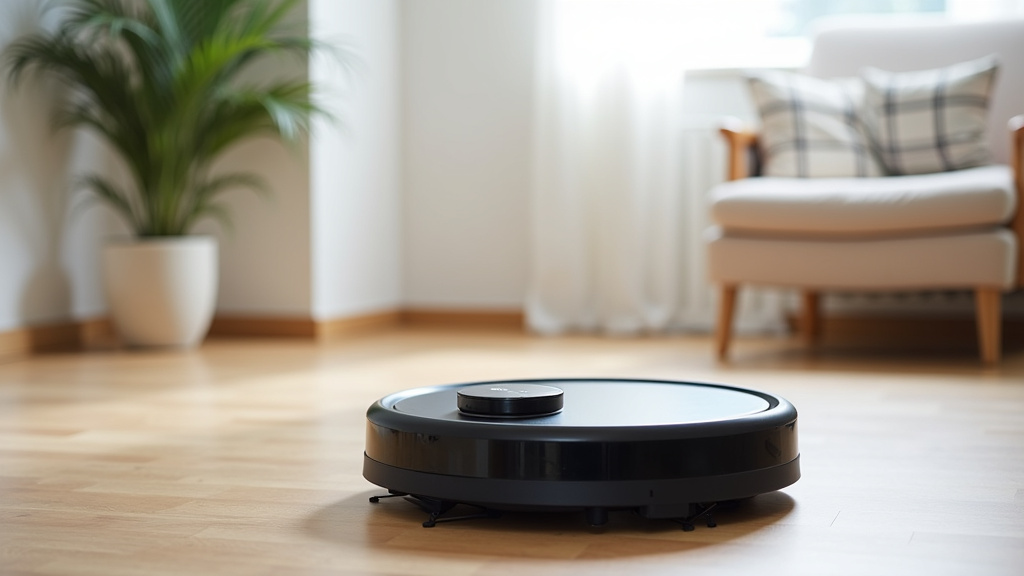
Key Differences at a Glance
Let’s look at how these two types of vacuums really compare in everyday use. It’s not about one being definitively better, but which one fits your lifestyle and cleaning needs best.
| Feature | Robot Vacuum | Regular Vacuum |
|---|---|---|
| Primary Use | Daily maintenance, light cleaning | Deep cleaning, thoroughness |
| Power/Suction | Lower | Higher |
| Automation | High (cleans on its own) | Low (requires manual operation) |
| Carpet Cleaning | Best for low-pile, surface debris | Excellent for all carpet types, deep cleaning |
| Time Investment | Low (setup and maintenance) | High (during cleaning sessions) |
| Cost Range | Moderate to High | Low to High |
Choosing Based on Your Home and Lifestyle
Think about your home’s layout. Do you have a lot of stairs? Robot vacuums can’t handle those. Do you have pets that shed a lot? Both can help, but a powerful regular vacuum might be needed for deep carpet cleaning. Do you have busy schedules? A robot vacuum can be a lifesaver.
We found that many people benefit from owning both. A robot vacuum can keep things tidy day-to-day, reducing the frequency you need to pull out the bigger, more powerful vacuum. It’s like having a daily tidy-up crew and a weekly deep-cleaning squad.
Making Your Final Decision: A Quick Checklist
To help you decide, ask yourself these questions:
- How much time do you realistically have for vacuuming?
- What type of flooring do you have most of?
- Do you have pets, and how much do they shed?
- Are you looking for daily maintenance or deep cleaning power?
- What is your budget for a cleaning appliance?
Your answers will point you toward the right type of vacuum, or perhaps even suggest that both could be a great fit for your home’s needs. We believe that understanding these differences empowers you to make a smart, practical choice for a cleaner living space.
Conclusion
Choosing between a robot vacuum and a regular vacuum really comes down to your specific cleaning needs and daily routine. You’ve learned that robot vacuums offer fantastic convenience for daily upkeep and light messes, especially if you have busy schedules or pets. Regular vacuums remain the champion for deep cleaning, tackling tough carpet dirt, and ensuring a thorough clean of your entire home. For many, the best approach is to use them together: let the robot handle the everyday dust while you bring out the regular vacuum for a more powerful, weekly clean.
Take a moment to consider the questions we laid out. Your answers will clearly point you towards the vacuum that will best help you maintain a cleaner, more comfortable home. Make the choice that fits your life best.
Frequently Asked Questions
Can a robot vacuum replace my regular vacuum cleaner entirely?
For most homes, a robot vacuum is best as a supplement, not a complete replacement. While it handles daily dust and light debris well, its suction power is generally lower. A regular vacuum is still needed for deep carpet cleaning, stubborn stains, and cleaning stairs.
Which type of vacuum is better for pet hair?
Both can help with pet hair, but a powerful regular vacuum often does a better job of pulling embedded hair out of carpets. Robot vacuums are excellent for managing shedding daily and preventing hair from building up, keeping your floors cleaner between deeper cleans.
How do robot vacuums handle different floor types?
Robot vacuums work well on hard floors like tile, hardwood, and laminate. They can also handle low-pile carpets. For thicker carpets or deep-seated dirt, a regular vacuum with stronger suction will be more effective.
What if I have a home with multiple levels or stairs?
Robot vacuums are limited to a single floor as they cannot climb stairs. If your home has multiple levels, you would need a separate robot vacuum for each floor or rely on a traditional vacuum that can easily move between levels.
Are robot vacuums worth the investment for a small apartment?
If you have a small apartment with mostly hard floors and a busy schedule, a robot vacuum can be a great convenience. It helps maintain cleanliness with minimal effort, which can be well worth the investment for added free time and a tidier living space.