What Is a Hybrid Vacuum Mop Robot? A Practical Guide
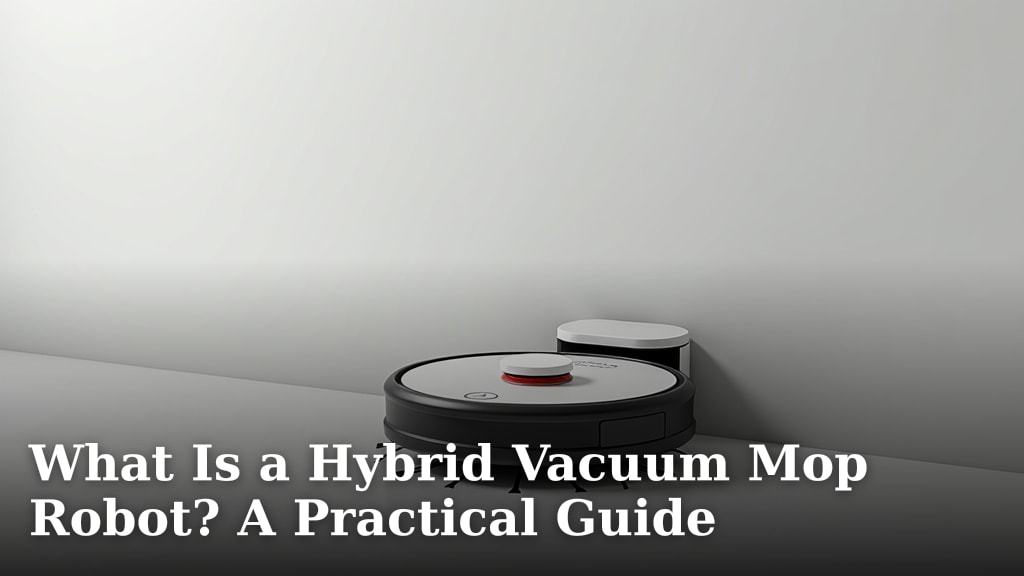
A hybrid vacuum mop robot is a single device that can both vacuum your floors and mop them. It’s designed to handle common household messes, like dust, crumbs, and even light liquid spills. You get the benefits of two cleaning robots in one convenient package.
Think of it as your smart home’s new best friend for floors. It’s a step up from a robot vacuum alone, offering a more thorough clean. Many models can even detect floor types to switch between vacuuming and mopping automatically. This offers a truly hands-free cleaning experience for your busy life.
- What it is: A robot that vacuums AND mops.
- Key benefit: Saves time and effort.
- How it works: Combines suction with a wet mopping pad.
- What it cleans: Dust, crumbs, light spills.
- Why choose it: For a cleaner home with less work.
Let’s walk through exactly what makes a hybrid vacuum mop robot tick and how it can simplify your chores.
Understanding Your Hybrid Robot Cleaner
So, you’re curious about these hybrid vacuum mop robots? Simply put, they’re smart devices designed to handle both vacuuming and mopping tasks. This means you get one machine that can tackle dust bunnies and sticky spots. It’s a way to streamline your home cleaning. You save time and effort by having a single unit do the work of two. Many of these robots are built to navigate your home intelligently. They map rooms and avoid obstacles.
How a Hybrid Robot Works
At its core, a hybrid robot combines two cleaning methods. It uses suction power to pick up dry debris like crumbs and pet hair. At the same time, it has a water tank and a mop pad. This pad is dampened with water or a cleaning solution. As the robot moves, it wipes the floor. This helps remove dirt and light stains. Think of it like a robot vacuum with a built-in, automatic wet cloth. It’s engineered to offer a more complete floor cleaning solution.
Vacuuming Mechanism
The vacuuming part is similar to a standard robot vacuum. It typically features a spinning brush roll. This brush loosens dirt and debris from your carpets and hard floors. A suction port then pulls this debris into a dustbin. We found that the effectiveness of the brush roll can depend on the floor type. For carpets, it helps lift embedded dirt. On hard floors, it works to gather larger particles.
Mopping Mechanism
The mopping function varies between models. Some use a simple, drag-along mop pad. Others have a more advanced system. This might include a water pump that dispenses liquid onto the pad. Some high-end models even have vibrating mop pads. These can scrub the floor for better stain removal. The water tank capacity also differs, affecting how long the robot can mop. We found that for deeper cleaning, a model with adjustable water flow is helpful.
Key Features to Look For
When you’re looking at hybrid robot cleaners, several features stand out. You’ll want to consider how it handles different floor types. Smart navigation is also a big plus. This helps the robot clean more efficiently. Battery life is important too. It determines how much floor space it can cover on a single charge. Lastly, think about the dustbin and water tank sizes. Larger capacities mean less frequent emptying and refilling.
Smart Navigation and Mapping
Many advanced hybrid robots use sensors and cameras. These help them create a map of your home. This mapping allows them to clean in organized patterns. They can navigate around furniture and stairs without issue. Some apps let you set virtual boundaries or clean specific rooms. We found that robots with LiDAR or vSLAM navigation are generally more precise. They tend to cover areas more thoroughly.
Automatic Floor Detection
A really neat feature is automatic floor detection. The robot can sense if it’s on carpet or a hard floor. When it detects carpet, it will usually stop mopping. It might even increase suction power for a better vacuum. When it moves to a hard floor, it can resume mopping. This prevents your carpets from getting wet. It ensures optimal cleaning for each surface. This automatic switching is a hallmark of a good hybrid system.
App Control and Customization
Most hybrid robots come with a smartphone app. This app is your control center. You can schedule cleanings, select cleaning modes, and view cleaning history. Some apps allow you to set no-go zones or no-mop zones. You can adjust suction levels and water flow for mopping. We found that a user-friendly app can significantly enhance your experience. It gives you more control over how and when your robot cleans. Discover if your hybrid robot can work without Wi-Fi.
What Can a Hybrid Robot Handle?
These devices are best suited for routine maintenance cleaning. They excel at keeping your floors tidy between deeper cleans. Think of them as your daily floor guardian. They are designed to tackle common everyday messes. This keeps your home looking its best with minimal effort from you.
Everyday Debris and Dust
For everyday dust, dirt, and crumbs, a hybrid robot is quite effective. It can pick up particles from hard floors and low-pile carpets. Pet owners often find them very useful for managing shedding. The combination of vacuuming and mopping means you get a cleaner surface overall. We found that regular use prevents dirt buildup. It makes your home feel consistently cleaner.
Light Liquid Spills
Many hybrid robots can handle small liquid messes. This might include things like a spilled glass of water or a minor kitchen accident. The mopping pad can absorb the liquid. Some models have a design that makes them more efficient at picking up moisture. However, it’s important to manage expectations. They are not designed for large spills or sticky, dried-on liquids. For those, manual cleaning might still be necessary. Many guidelines suggest addressing spills quickly, and these robots can help with that (Cleveland Clinic).
Limitations to Keep in Mind
While impressive, hybrid robots have limitations. They are not a replacement for a deep clean. Heavily soiled areas or tough stains may require more attention. They can also struggle with very thick carpets or high-pile rugs. Some robots may get tangled on cords or small objects. It’s wise to do a quick tidy-up before letting the robot run. This ensures it can navigate freely.
Not for Deep Cleaning
These robots perform best with light to moderate cleaning tasks. If you have old, set-in stains or heavily soiled grout lines, a hybrid robot might not be enough. A traditional mop or a more powerful cleaning machine may be needed for those situations. Think of it as daily maintenance rather than a deep restorative clean. Experts suggest that for really tough jobs, a manual approach is often still best (CDC).
Struggles with Certain Surfaces and Debris
Very high-pile carpets can be a challenge for most robot vacuums, hybrid or not. The brushes might not reach the bottom of the pile. Large debris, like whole cereal pieces, might also be an issue. For mopping, dried-on mud or sticky substances can be tough to remove. They might just spread them around if not designed with aggressive scrubbing. Always check the manufacturer’s recommendations for what your specific model can handle.
Making the Most of Your Hybrid Robot
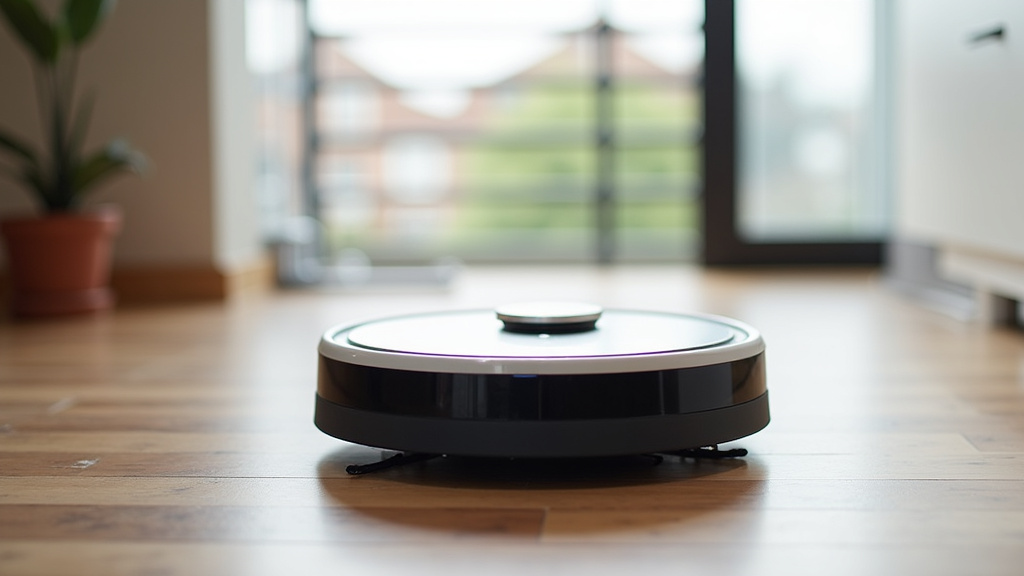
To get the best performance from your hybrid vacuum mop robot, a little preparation goes a long way. Think of it like prepping your kitchen before you start cooking. It makes the whole process smoother. Ensuring your home is ready for the robot helps it work more efficiently. It also helps prevent common issues.
Before You Let It Run
A quick sweep of your floor can be beneficial. Pick up any small items that could cause the robot to get stuck. This includes things like charging cords, small toys, or loose rugs. Clearing pathways ensures the robot can move freely. It can focus on cleaning rather than navigating obstacles. We found that this simple step drastically reduces the chance of the robot getting into trouble.
Maintenance is Key
Just like any appliance, your hybrid robot needs care. Regularly clean the brushes and filters. Empty the dustbin after each use. Rinse the mop pad or replace it as needed. Keep the sensors clean. This ensures optimal performance and longevity. A well-maintained robot will clean better and last longer. Many user manuals provide detailed cleaning schedules.
Regular Cleaning Schedule
Establishing a regular cleaning schedule is helpful. Daily or every-other-day runs can keep floors consistently clean. This prevents dirt and dust from accumulating. You can set schedules through the robot’s app. This allows for hands-off cleaning. You won’t have to remember to start it yourself. It becomes part of your home’s automated routine.
When to Use Vacuum-Only vs. Hybrid Mode
Consider when to use just vacuuming or the hybrid mode. If you have carpets, you’ll want to ensure the robot is in vacuum-only mode or avoids them altogether. For hard floors, hybrid mode is ideal. Some apps allow you to set specific cleaning modes for different rooms. This gives you precise control. You can ensure the robot is always cleaning in the most effective way for the surface.
Checklist for Hybrid Robot Success
To ensure your hybrid robot performs at its best, consider this quick checklist:
- Clear floors of small objects and cords.
- Empty the dustbin regularly.
- Clean or replace the mop pad after use.
- Wipe down sensors and brushes periodically.
- Ensure the robot has a clear path to navigate.
- Schedule cleanings for consistent results.
Conclusion
You’ve learned that a hybrid vacuum mop robot offers a convenient way to maintain your floors. It combines vacuuming and mopping into one smart device. This can save you time and effort on daily cleaning tasks. While they excel at routine messes, remember they aren’t a replacement for deep cleaning. By understanding their capabilities and limitations, you can make an informed choice. Ready to simplify your cleaning routine? Consider which hybrid model best fits your home’s needs and start enjoying cleaner floors with less work.
Frequently Asked Questions
Can a hybrid robot really replace my traditional mop and vacuum?
A hybrid robot is excellent for daily maintenance and light cleaning. We found they keep floors tidy between deeper cleans. However, for tough stains, heavily soiled areas, or very thick carpets, you may still need traditional cleaning tools.
What kind of messes can a hybrid vacuum mop robot handle?
These robots are best for everyday dust, crumbs, and pet hair. They can also manage small liquid spills, like a minor kitchen accident. Think of them as your first line of defense against common messes.
Do I need to prepare my floors before a hybrid robot cleans?
Yes, a little preparation helps. We recommend clearing small items, cords, and loose rugs from the floor. This ensures the robot can navigate freely and clean efficiently without getting stuck.
How often should I perform maintenance on my hybrid robot?
Regular maintenance is key for performance. You should empty the dustbin after each use and clean or replace the mop pad regularly. Periodically cleaning brushes and sensors will also help your robot run its best.
Can a hybrid robot clean my carpets effectively?
Most hybrid robots can vacuum carpets. However, they are not designed to mop carpets. Many models automatically detect carpet and stop mopping. For high-pile carpets, some may struggle with deep cleaning, so check your model’s specifications.