What Is a Self Emptying Robot Vacuum? A Practical Guide
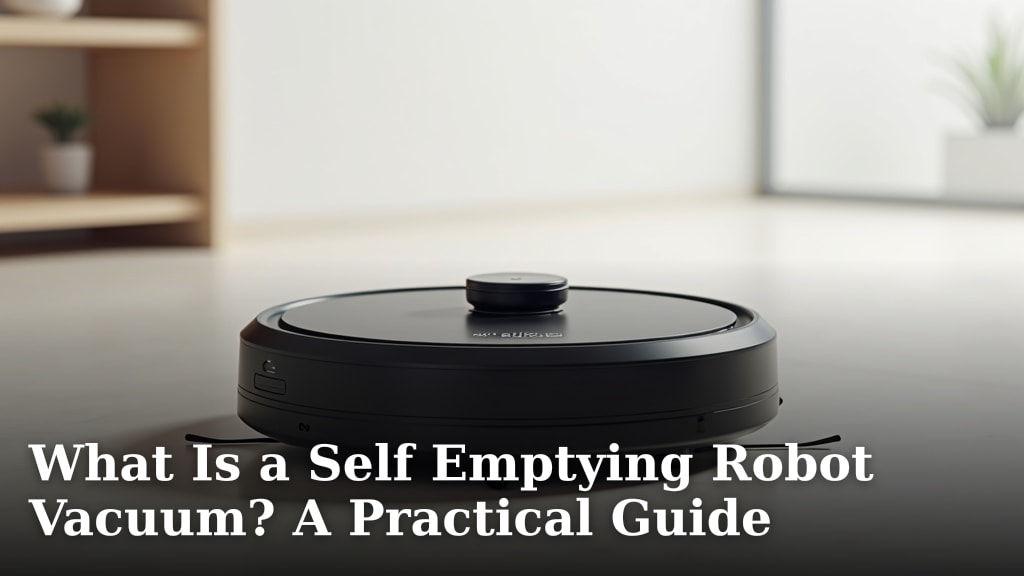
A self emptying robot vacuum is a smart cleaning device that automatically empties its dustbin into a larger base station after each cleaning cycle. This means you won’t have to manually empty the small bin every time the robot finishes. It’s a big step up in convenience for busy households looking for hands-off floor cleaning.
Think of it as a robot vacuum that takes care of its own trash. The base station holds much more dirt and debris than the robot’s onboard bin. This allows the robot to clean your floors for weeks without you needing to intervene. It’s a clever way to reduce your cleaning chores even further.
- Robot vacuums that empty themselves.
- A base station collects dirt automatically.
- Less manual work for you.
- Clean floors for longer periods.
- Great for busy homes.
Below, we’ll break down exactly how these smart vacuums work, what to look for when buying one, and if it’s the right fit for your home.
Understanding How Robot Vacuums That Empty Themselves Work
So, you’re curious about these self emptying robot vacuums. That’s smart! They take a lot of the manual work out of robot cleaning. Imagine your little robot buddy cleaning your floors. When it’s done, or when its dustbin gets full, it doesn’t just stop. Instead, it drives itself back to its charging base.
Once docked, the magic happens. The base station has a much larger capacity for dirt and debris. It uses a powerful suction system to pull the contents from the robot’s small onboard bin into the station’s bag or container. This means you often don’t have to touch a dusty bin for weeks at a time.
The Mechanism Behind the Magic
How does this actually happen? It’s a clever bit of engineering. When the robot vacuum returns to its dock, it aligns itself with a specific port. This port connects to the base station’s internal vacuum motor.
A strong suction then kicks in. This suction creates a pathway for the dirt to be pulled from the robot’s dustbin. It’s like a mini-tornado sucking up the dust bunnies your robot collected. The debris is then deposited into the larger bin within the base station.
Dustbin Capacity: Robot vs. Base
Here’s where the real convenience comes in. Your standard robot vacuum might have a bin you need to empty after every couple of cleanings. This can be frustrating if you forget or don’t have time.
Self emptying models have a much smaller bin on the robot itself. This allows for a slimmer design. The real dirt collector is the base station. These can hold enough dirt for 30 to 60 days or even more, depending on your home’s messiness and the model you choose (Consumer Reports).
Types of Base Stations
Most self emptying bases use a disposable dust bag. This makes disposal simple – just lift the bag out and toss it. Other models have a bagless container. You’ll need to empty this, but it’s still a much larger container than what’s on the robot.
We found that models with bags are generally a bit cleaner to deal with when it’s finally time to empty the base. Bagless options, however, can save you money on replacement bags over time. It’s a trade-off between convenience and ongoing cost.
Key Features to Look For in a Self Emptying Robot Vacuum
When you’re shopping for one of these handy devices, there are a few things that really stand out. Beyond just the self emptying feature, what else makes a model worth your money?
Think about your home and your cleaning habits. Do you have pets? Lots of carpets? These details matter when choosing the right robot vacuum for you.
Suction Power and Cleaning Performance
The ability to self empty is great, but the robot still needs to clean well. Look for models with good suction power, often measured in Pascals (Pa). Higher numbers generally mean better pickup of dirt, dust, and pet hair.
We found that robots with strong suction are especially important if you have carpets. They can pull debris out from deep within the carpet fibers. For hard floors, even moderate suction can work well.
Navigation and Mapping Technology
How does your robot know where to go? This is crucial for efficient cleaning. Many advanced models use lasers or cameras for navigation. They create a map of your home.
This mapping allows the robot to clean in neat, organized lines rather than just bumping around randomly. It also lets you set Learn how robot vacuums avoid stairs to keep them safe.no-go zones through an app. You can tell it to avoid pet bowls or areas with a lot of cables.
Smart App Control and Customization
Most self emptying robot vacuums come with a smartphone app. This is where you can really take control. You can start, stop, and schedule cleanings remotely. You can also view the cleaning map and set those no-go zones.
Some apps allow you to set specific cleaning modes for different rooms. For example, you might want more suction in the kitchen and less in the bedroom. The app is your command center.
Battery Life and Auto-Recharge
A good robot vacuum should have enough battery life to clean your main living areas on a single charge. If it runs out of power mid-clean, it should automatically return to its base to recharge.
Once recharged, the robot should resume cleaning exactly where it left off. This is known as “recharge and resume” functionality. It ensures your entire home gets cleaned, no matter the size.
Who Benefits Most from a Self Emptying Robot Vacuum?
These advanced robots aren’t for everyone, but they offer significant advantages for certain households. Let’s see if your situation fits.
If you value your time and want to cut down on chores, this type of vacuum is a great investment. It’s like having a little cleaning assistant that’s always on call.
Busy Professionals and Families
For those with packed schedules, every minute saved counts. A self emptying robot vacuum means one less chore to worry about. You can come home to clean floors without lifting a finger.
Parents, in particular, often find these robots a lifesaver. They can help manage the constant battle against crumbs and tracked-in dirt. It gives you more time to spend with your family.
Pet Owners
If you have furry friends, you know the struggle of pet hair. Self emptying robot vacuums are a dream for pet owners. They can handle daily shedding and keep your floors looking tidy.
The large capacity of the base station is especially helpful. It means you won’t be emptying a hair-filled bin every day. Many models have special brushes designed to tackle pet hair effectively.
Individuals with Mobility Issues
For people who find it difficult to bend down or push a traditional vacuum, a self emptying robot offers a fantastic solution. The hands-off operation and automated emptying minimize physical exertion.
It provides a way to maintain a clean home with minimal effort. This can contribute to a greater sense of independence and well-being.
Making the Switch: What to Consider Before Buying
Before you click “buy,” it’s worth thinking through a few practical points. These machines are an investment, so you want to make sure it’s the right one for your needs.
Consider your home’s layout, the types of flooring you have, and your budget. These factors will help guide your decision.
Cost vs. Convenience Trade-off
Self emptying robot vacuums are generally more expensive than their manual-emptying counterparts. The added technology and the base station add to the overall price.
You need to weigh the increased cost against the convenience factor. For many, the time saved and the reduced hassle are well worth the extra expense. Think about how much you value that hands-off cleaning experience.
Maintenance of the Base Station
While you don’t empty the robot daily, the base station still requires some care. If it uses a bag, you’ll need to buy replacements. If it’s bagless, you’ll eventually need to empty that larger container.
Occasionally, you might need to clean the filters in the base station or clear any blockages in the emptying tube. Most manufacturers provide guidance on this. It’s usually a simple process, but it’s still a maintenance task.
Consider Your Floor Types and Obstacles
How well will the robot handle your specific floors? Most are good on hard surfaces and low-pile carpets. If you have very thick shag carpets, you might want to check reviews for specific model performance.
Also, think about obstacles. Lots of cords, rugs with fringe, or tight furniture can be challenging. Look for robots with good obstacle avoidance if your home has many of these. Apps that let you map and avoid problem areas are very helpful here.
Checklist for Choosing Your Self Emptying Robot Vacuum
- Assess your home’s layout and floor types.
- Determine your budget and desired features.
- Read reviews focusing on suction power and navigation.
- Consider battery life and “recharge and resume” capability.
- Evaluate app features like no-go zones and scheduling.
- Look into the ongoing cost of replacement bags or filters.
Conclusion
A self emptying robot vacuum can truly simplify your cleaning routine. You’ve learned how these smart devices work, from their automatic dustbin emptying to their base station technology. We’ve also covered key features to look for, like suction power and smart navigation. Remember to consider your home’s unique needs, like floor types and pets, when making your choice. If you’re looking to reclaim time and reduce daily chores, a self emptying robot vacuum is likely a great fit for your home. Take that first step by assessing your home and checking out models that match your priorities.
Frequently Asked Questions
How often do I really need to empty the base station?
You’ll need to empty the base station much less often than a regular robot vacuum’s bin. Most users find they empty it every 30 to 60 days. This depends on how messy your home is and how often the robot runs.
Are self emptying robot vacuums good for homes with pets?
Yes, they are excellent for pet owners. They handle shedding fur and dander effectively. The large capacity of the base station means less frequent emptying of hair-filled bins.
Do I still need to do any maintenance on these vacuums?
While they reduce manual emptying, some maintenance is still needed. You’ll need to replace dust bags or empty the bagless container. You may also need to clean filters or clear occasional blockages.
Are they much more expensive than regular robot vacuums?
Generally, yes, self emptying models cost more upfront. This is due to the added technology of the base station and its emptying system. You are paying for the added convenience and automation.
Can I control where the robot cleans with a self emptying model?
Many self emptying robot vacuums offer smart app control. You can often set no-go zones or schedule cleanings for specific rooms. This allows you to customize cleaning to your home’s layout.