Is a Robot Vacuum Worth It? A Practical Guide
Yes, a robot vacuum can be absolutely worth it if you’re looking to save time on daily tidying. It’s a practical tool that can keep your floors cleaner with minimal effort on your part, handling the routine vacuuming so you don’t have to. While they aren’t a replacement for deep cleaning, they excel at maintaining a clean home between those bigger chores.
Many homeowners find that robot vacuums are a helpful addition to their cleaning arsenal. They’re especially good for homes with pets or lots of foot traffic, as they can pick up daily dust and debris. You’ll find they do a solid job on both carpets and hard floors, keeping your living spaces looking better day-to-day.
- Robot vacuums save you daily cleaning time.
- They are great for upkeep and maintenance.
- Good for homes with pets and high traffic.
- Can clean both carpets and hard floors.
Let’s break down what robot vacuums can really do for you and how to decide if one is the right fit for your home.
Robot Vacuums: Are They a Good Investment for Your Home?
You’re probably wondering if a robot vacuum is just another gadget or a genuine time-saver. We’ve looked into it, and for many households, they truly are worth the investment. Think of it as hiring a tiny, tireless cleaner to tackle the daily dust bunnies. It’s not about replacing your deep clean, but about maintaining a much cleaner home between those bigger chores. Many people find they free up a surprising amount of time.
The core idea is simple: a robot vacuum lives on your floor and cleans it regularly. This means less daily sweeping or vacuuming for you. They’re programmed to navigate your home, often mapping rooms and avoiding obstacles. The result is a consistently cleaner living space without you lifting a finger. This can be a real game-changer, especially if you have a busy schedule.
How Robot Vacuums Actually Work
Understanding the basics helps you see their value. These devices use sensors to map your home and move around furniture. They then clean the floors using rotating brushes and suction. Some models can even mop as they clean. Most have a charging dock they return to automatically when their battery is low or the cleaning cycle is complete.
Navigation and Mapping Technologies
The way a robot vacuum navigates makes a big difference. Early models were a bit random, bumping into things. Today, most use advanced sensors like infrared or cameras. These help them create a map of your home. Some even let you set no-go zones through an app, telling the robot which areas to avoid.
We found that models with smart mapping are generally more efficient. They learn your home’s layout and clean in neat, organized patterns. This means they cover more ground and clean more thoroughly. Without good navigation, they might miss spots or get stuck more often.
Cleaning Power and Suction
Robot vacuums vary greatly in their cleaning power. Look for models with decent suction, especially if you have carpets or pets. A good suction level helps lift dirt, dust, and pet hair effectively. Many can handle both hard floors like tile and wood, as well as low-pile carpets.
Some of the best robot vacuums offer adjustable suction power. You can often set it higher for carpets and lower for hard floors to save battery life. We found that while they excel at picking up surface debris, they may not have the deep-cleaning power of a traditional upright vacuum for heavily soiled carpets.
Smart Features and App Control
Many robot vacuums come with smartphone apps. These apps let you start, stop, and schedule cleanings from anywhere. You can often view cleaning maps, set virtual boundaries, and customize cleaning modes. This convenience is a major selling point for many users.
We found that app control adds a significant layer of utility. You can set the robot to clean while you’re at work, ensuring you come home to fresh floors. Some advanced models even integrate with voice assistants like Alexa or Google Assistant for hands-free control.
The Real Benefits: Saving Time and Effort
The biggest draw is undoubtedly the time you save. Instead of spending 30-60 minutes vacuuming your home weekly, you can let a robot do it. This gives you back precious hours to spend on things you enjoy. It’s like having an extra pair of hands for household chores.
Robot vacuums are ideal for maintaining a baseline level of cleanliness. They are particularly useful for dealing with daily messes, like crumbs under the dining table or pet hair on the living room rug. Regular cleaning helps reduce allergens and dust in your home, which is good for overall air quality (American Lung Association).
Keeping Up with Pet Hair
If you have furry friends, you know pet hair can be a constant battle. Robot vacuums are a fantastic tool for managing pet hair. They can run daily, picking up loose fur before it builds up into tumbleweeds. Many models come with specialized brushes designed to grab hair without tangling too much.
We’ve seen many pet owners report a noticeable difference in their homes after getting a robot vacuum. It doesn’t eliminate the need for occasional deeper grooming or brushing, but it dramatically cuts down on the visible hair. This means a cleaner-looking home day-to-day.
Ideal for Busy Lifestyles
For those with packed schedules, a robot vacuum is a lifesaver. You can schedule it to clean while you’re out, at work, or even asleep. It handles the mundane task of vacuuming so you don’t have to think about it. This reduces the mental load of household chores.
Imagine coming home to floors that are already clean. No more tripping over the vacuum cleaner or dedicating your Saturday morning to chores. This kind of convenience is hard to put a price on for busy individuals and families.
What Robot Vacuums Aren’t Designed For
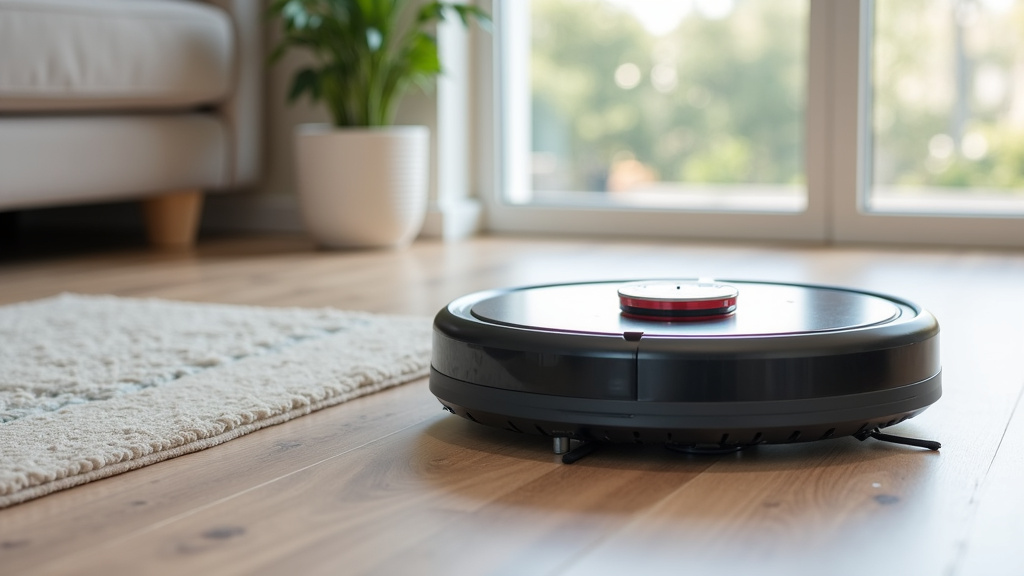
It’s important to set realistic expectations. Robot vacuums are not a replacement for a thorough deep cleaning. They struggle with heavily soiled areas, deep-pile carpets, and tight corners. You’ll likely still need a traditional vacuum for those occasional intensive cleaning sessions.
They also have limitations with certain types of debris. Large items, wet messes, or very fine dust might not be picked up effectively. Their dustbins are also much smaller than traditional vacuums, requiring more frequent emptying.
Navigating Clutter and Stairs
Robot vacuums work best in homes with minimal clutter on the floor. Small items like socks, charging cords, or pet toys can cause them to get stuck. Some models have object detection to avoid larger items, but they can still get tangled on wires.
Most robot vacuums have cliff sensors to prevent them from falling down stairs. However, it’s still wise to ensure your home is reasonably tidy before letting them run. You don’t want to risk the robot getting stuck or damaged. Most robot vacuums have cliff sensors to prevent them from falling down stairs; learn how robot vacuums avoid stairs.
Deep Cleaning vs. Maintenance Cleaning
Think of a robot vacuum as your daily maintenance crew. It keeps things tidy and prevents dirt buildup. A traditional vacuum, on the other hand, is your deep cleaning specialist. It has more power and can tackle ingrained dirt and grime.
For example, if you spill a bag of flour, your robot vacuum might make a mess trying to clean it. A powerful upright vacuum would handle it more effectively. Robot vacuums are excellent for consistent upkeep, not for tackling major cleaning emergencies.
Key Considerations Before You Buy
Choosing the right robot vacuum depends on your home and needs. Consider your floor types, the presence of pets, and your budget. Some models are basic, while others offer advanced features like self-emptying bins or advanced navigation.
Here’s a quick checklist to help you decide:
- Do you have a lot of pet hair?
- Are most of your floors hard surfaces or low-pile carpet?
- How much time do you want to save on daily cleaning?
- Is your home relatively clutter-free on the floors?
- Are you looking for basic cleaning or advanced app control?
- What is your budget for a robot vacuum?
Your Home’s Layout and Size
For larger homes, you’ll want a robot with a longer battery life and good navigation. Models that can clean for 90 minutes or more on a single charge are ideal. If your home has multiple levels, you might need to buy a separate robot for each floor or manually move it.
The complexity of your floor plan matters too. Homes with lots of furniture or small spaces might benefit from robots with precise mapping and obstacle avoidance. Research reviews that specifically mention performance in similar home layouts.
Budget and Feature Trade-offs
Robot vacuums range from under $200 to over $1,000. Cheaper models typically have simpler navigation and fewer features. More expensive models often boast stronger suction, better battery life, self-emptying bases, and smarter app controls.
We found that a good middle ground often exists. You can find capable robots with smart mapping and good cleaning performance in the $300-$500 range. Consider what features are most important to you and prioritize those when setting your budget.
Maintenance and Ongoing Costs
Like any appliance, robot vacuums require maintenance. You’ll need to empty the dustbin regularly (unless you opt for a self-emptying model). The brushes and filters will need cleaning or replacing over time. These replacement parts add a small ongoing cost to owning a robot vacuum.
Check the availability and price of replacement parts like filters, brushes, and batteries before you buy. Some brands are more affordable and easier to find parts for than others. Regular maintenance ensures your robot performs at its best.
Conclusion
You’ve seen that a robot vacuum can be a worthwhile investment for many homes. It excels at daily maintenance, saving you time and effort. While not a replacement for deep cleaning, it’s a practical tool for keeping pet hair under control and reducing dust. We’ve found that choosing the right model depends on your home’s layout, your budget, and your specific cleaning needs. If you’re looking to simplify your cleaning routine and maintain consistently tidier floors, a robot vacuum is likely a good fit for you. Your next step should be to consider your must-have features and research models within your budget.
Frequently Asked Questions
Will a robot vacuum clean my entire house?
Robot vacuums are best for maintaining cleanliness in the areas they can access. For larger homes, you might need a model with excellent battery life or consider multiple robots. They typically clean one room or zone at a time before returning to their dock.
How often should I run my robot vacuum?
We recommend running your robot vacuum daily or every other day, especially if you have pets or high foot traffic. This consistent cleaning schedule prevents dirt and hair from building up significantly.
Do robot vacuums work on all floor types?
Most robot vacuums work well on hard floors like tile, wood, and laminate. They can also handle low-pile carpets effectively. However, they may struggle with very thick or deep-pile carpets.
What maintenance is required for a robot vacuum?
You’ll need to regularly empty the dustbin, clean the brushes and filters, and wipe down the sensors. If you choose a model with a self-emptying base, this reduces manual emptying but still requires occasional bin bag changes.
Can a robot vacuum replace my main vacuum cleaner?
No, a robot vacuum is primarily for daily maintenance. It cannot provide the deep cleaning power needed for heavily soiled carpets or tough messes. You will likely still need a traditional upright or canister vacuum for those tasks.