What Is SLAM Technology in a Robot Vacuum?
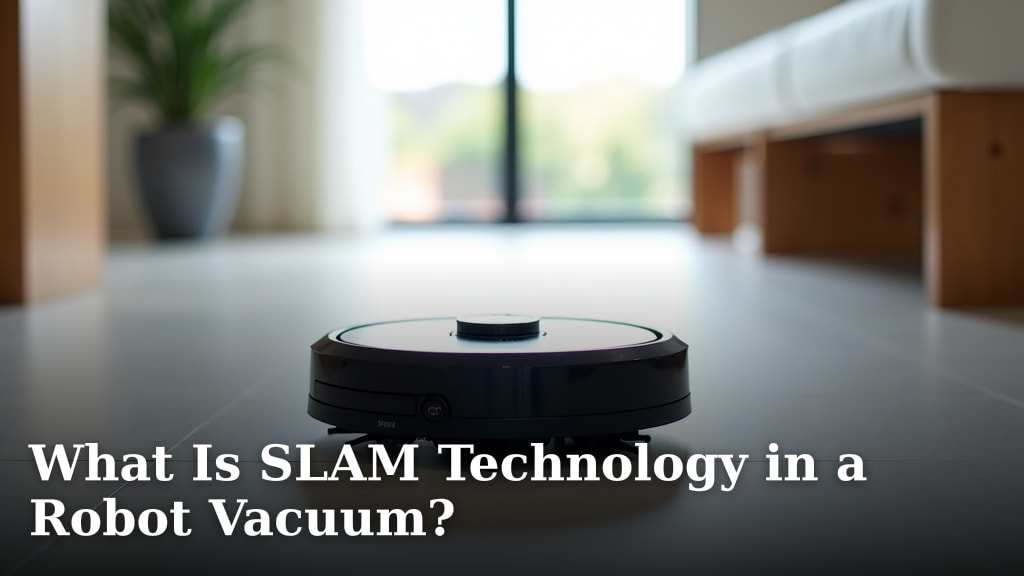
SLAM technology in a robot vacuum is a smart mapping system that lets your robot understand its surroundings. It uses sensors to create a map of your home and tracks its own position on that map. This allows it to clean efficiently, avoid obstacles, and remember where it’s been. Think of it as your robot vacuum having its own GPS and memory.
When you hear about robot vacuums with advanced navigation, they’re often using SLAM. This technology helps them clean your floors more thoroughly than older models. It means your vacuum can plan the best cleaning path and avoid getting stuck. Many experts agree that SLAM is a major step forward for robotic home cleaning.
- SLAM helps robot vacuums map your home.
- It lets them navigate smartly and avoid obstacles.
- This leads to more efficient and thorough cleaning.
- You get a robot vacuum that knows where it is and where to go.
Let’s walk through exactly how this amazing SLAM technology works and what it means for your clean floors.
How Robot Vacuums Understand Your Home
Robot vacuums with SLAM technology are built to be smart. They don’t just bump around randomly. Instead, they use sensors to build a map of your space. This map acts like a blueprint. It helps the robot vacuum plan the most efficient cleaning route. It also helps it avoid bumping into furniture or falling down stairs. You get a much cleaner home with less hassle. SLAM helps robot vacuums avoid falling down stairs by mapping the environment.
Think of it like this: before SLAM, most robot vacuums were like toddlers with blindfolds on. They’d wander, bump into things, and eventually cover some ground. SLAM gives them eyes and a brain. This is a big step up for robotic cleaning. It means your robot vacuum knows where it is and where it’s going. This is key for a thorough clean.
What Exactly is SLAM?
SLAM stands for Simultaneous Localization and Mapping. It’s a process that robots use to figure out where they are in an environment. At the same time, they build a map of that environment. They do this all at once, hence “simultaneous.” This technology is used in many different types of robots, not just vacuums.
For a robot vacuum, SLAM is the core of its navigation system. It’s what allows it to learn your home’s layout. Without SLAM, a robot vacuum might clean the same spot multiple times. It could also miss entire rooms. SLAM ensures your robot cleans your floors logically and completely.
Localization: Knowing Where the Robot Is
Localization is one half of SLAM. It’s about the robot knowing its own position. Imagine you’re in a large, unfamiliar building. You need to know where you are on the building’s map to find your way. Your robot vacuum faces a similar challenge in your home.
It uses sensors to detect its surroundings. Then, it compares these readings to the map it’s building. By matching what it “sees” with its map, it can pinpoint its exact location. This is critical for efficient cleaning. It knows which areas it has cleaned and which ones still need attention.
Mapping: Building a Picture of Your Home
Mapping is the other half of SLAM. This is where the robot vacuum creates a digital representation of your home. It starts with an empty map. As it moves, its sensors gather data about walls, furniture, doors, and other objects. This data is used to add details to the map.
The map gets more detailed as the robot explores. It’s like drawing a floor plan as you walk through a house. The robot can identify different rooms, hallways, and even specific pieces of furniture. This map isn’t just for show; it’s essential for smart navigation and planning. Older robots simply didn’t have this capability.
How SLAM Technology Works in Your Robot Vacuum
Robot vacuums use a combination of sensors to perform SLAM. The most common sensors are cameras and lidar. Sometimes, other sensors like infrared or ultrasonic sensors are also used. These sensors work together to gather information about the environment.
Let’s break down how these sensors help. They provide the robot with the data it needs for both localization and mapping. Without these tools, the robot would be effectively blind and disoriented. It’s the sensor data that feeds the SLAM algorithm.
Visual SLAM (vSLAM) Using Cameras
Many modern robot vacuums use cameras for SLAM. This is often called vSLAM. The robot’s camera takes pictures of its surroundings. Software then analyzes these images to identify features like corners of walls, furniture edges, or doorways. These features act as landmarks.
The robot tracks how these landmarks change as it moves. This helps it understand its motion and build a map. vSLAM can be very effective, especially in well-lit environments. It can also help the robot identify different types of objects, which aids in its cleaning strategy. Many researchers say this visual approach is becoming the standard (University of Freiburg).
Lidar SLAM Using Laser Scanners
Lidar stands for Light Detection and Ranging. Lidar sensors emit laser beams and measure how long it takes for them to bounce back. This allows the robot to accurately measure distances to objects around it. It creates a precise point cloud of the environment.
Lidar SLAM is known for its accuracy. It works well even in low light conditions. The robot can build a highly detailed map of your home’s layout. This detailed map helps it navigate more precisely and avoid obstacles with greater confidence. Some studies suggest lidar offers superior mapping accuracy in varied conditions (IEEE).
Other Sensors: A Supporting Role
While cameras and lidar are the stars, other sensors play a supporting role. Infrared sensors can help detect cliffs, preventing the robot from tumbling down stairs. Bump sensors provide a fallback if the robot does make contact with an object. Wheel encoders measure how much the wheels have turned, giving the robot another way to estimate distance traveled.
These sensors add layers of safety and data. They work in conjunction with the main SLAM system. This ensures the robot vacuum is as effective and safe as possible. It’s like having multiple backups to ensure everything runs smoothly.
How SLAM Benefits Your Cleaning Experience
SLAM technology offers several advantages over older robot vacuum navigation methods. The biggest benefit is a smarter, more efficient clean. Your robot vacuum will no longer clean in random patterns.
Instead, it will navigate your home in an organized way. This means it covers every reachable area systematically. You’ll likely find your floors cleaner than ever before, with less time spent by the robot.
Systematic Cleaning Paths
With a map of your home, the robot vacuum can plan its cleaning route. It can divide your home into zones and clean them one by one. This systematic approach ensures that no spot is missed. It’s like a professional cleaner planning their attack. They won’t miss a corner.
This method is much faster than random cleaning. It also results in a more thorough clean. You can often see the cleaning pattern on the app associated with the robot. It shows you exactly where it has been and where it’s going next.
Improved Obstacle Avoidance
SLAM helps robot vacuums navigate around furniture and other obstacles. Because the robot has mapped your space, it knows where the couch is, where the coffee table sits, and where the pet food bowls are. It learns to avoid these items.
This reduces the chance of your robot vacuum getting stuck. It’s less likely to get tangled in cords or wedged under furniture. This means less rescuing your robot from precarious situations. You can let it run with greater peace of mind.
Room Recognition and Targeted Cleaning
Advanced SLAM systems can even recognize different rooms. Your robot vacuum might identify the kitchen, living room, or bedrooms. This allows for targeted cleaning. You can send the robot to clean only a specific room or area.
For example, if the kitchen floor is particularly dirty after dinner, you can tell your robot to clean just that room. This saves time and energy. It’s a feature that truly makes the robot vacuum a smart home device. Many experts note this level of control is a significant user benefit (Robotics and Automation Letters).
No-Go Zones and Virtual Walls
Based on the map it creates, your robot vacuum can establish virtual boundaries. You can often define “no-go zones” through the robot’s app. These are areas you don’t want the robot to enter, like a pet’s favorite napping spot or a play area for children.
This feature uses the SLAM map to keep the robot within allowed areas. It’s much cleaner than traditional physical ‘virtual walls’ that often use infrared beams. You have more control over where your robot cleans.
What to Look For in a SLAM-Enabled Robot Vacuum
When choosing a robot vacuum with SLAM, consider a few things. Not all SLAM systems are created equal. Some are more advanced than others. Understanding these differences can help you make the best choice for your home.
Think about your home’s layout. Do you have a lot of furniture? Are there many tight spaces? The right SLAM system can handle these challenges effectively. Here’s a quick checklist to guide you:
- Sensor Type: Does it use camera (vSLAM) or Lidar? Lidar is often more precise.
- App Features: Can you see the map? Can you set no-go zones?
- Room Mapping: Does it identify and name rooms for targeted cleaning?
- Recharge and Resume: Can it finish cleaning after recharging if the battery runs low?
- Updates: Does the manufacturer provide software updates for improved performance?
A good SLAM system makes a noticeable difference in how well your robot vacuum performs. It’s the technology that turns a simple cleaning gadget into a truly intelligent home assistant. Your floors will thank you!
Conclusion
SLAM technology has transformed robot vacuums. It lets them map your home and navigate intelligently. This means a more efficient, thorough clean every time. You gain a robot that avoids obstacles and cleans systematically. Investing in a SLAM-enabled vacuum offers greater convenience and cleaner floors. To get the most out of this smart tech, look for features like app-based mapping and no-go zones. Consider your home’s layout when choosing a model. Start researching SLAM vacuums today to find the best fit for your cleaning needs.
Frequently Asked Questions
Do all robot vacuums use SLAM?
No, not all robot vacuums use SLAM technology. Older or more basic models often use random bounce navigation or infrared sensors. SLAM is a more advanced system found in mid-range to high-end robot vacuums. It’s what provides the ‘smart’ navigation capabilities.
Is Lidar or camera-based SLAM better?
Both Lidar and camera-based SLAM have their strengths. Lidar generally offers more precise mapping and works well in all lighting conditions. Camera-based SLAM (vSLAM) can be very effective and sometimes helps identify objects, but may struggle in very dark rooms. Many higher-end models use a combination of sensors.
Can I see the map my robot vacuum creates?
Yes, most robot vacuums with SLAM technology allow you to view the generated map through their companion smartphone app. You can often see the cleaning path taken, room divisions, and sometimes even set virtual boundaries. This map helps you understand your robot’s cleaning progress.
How does SLAM help prevent my robot from getting stuck?
SLAM technology allows your robot vacuum to create a detailed map of your home. It learns the locations of furniture, walls, and other permanent obstacles. By knowing these obstacles in advance, the robot can plan its route to avoid them, significantly reducing the chances of getting stuck.
Will SLAM technology help my robot vacuum clean faster?
Yes, SLAM typically helps robot vacuums clean faster and more efficiently. Instead of randomly bumping around, SLAM allows the robot to plan systematic cleaning paths. It knows where it has been and where it needs to go, covering the entire accessible area without re-cleaning spots or missing sections.