How Do Robot Vacuums Avoid Stairs? What You Need to Know
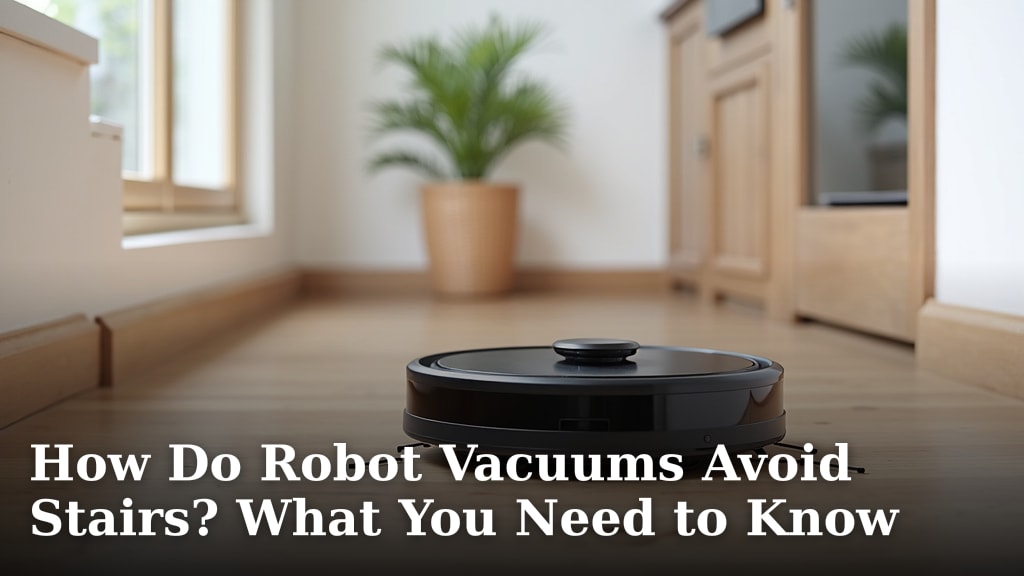
Robot vacuums avoid stairs by using cliff sensors. These tiny infrared sensors detect drops or changes in floor level, telling the robot to turn away. It’s a clever way to keep your vacuum from taking a tumble.
You might wonder how these little cleaning helpers manage to navigate your home without falling. We found that most robot vacuums use a combination of these sensors and smart programming. This allows them to map out your space and steer clear of danger zones like staircases.
- Robot vacuums use infrared cliff sensors to detect edges.
- These sensors send signals that tell the vacuum to change direction.
- Different brands may use slightly different sensor technology.
- Proper maintenance keeps sensors working correctly.
Let’s dive into how these amazing machines manage to keep themselves safe and your floors clean, step by step.
How Robot Vacuums Detect and Avoid Drops
Robot vacuums use a clever system of infrared cliff sensors to spot drops like staircases. We found this is the primary method for preventing falls in almost all models.
These sensors are usually located on the underside of the robot. They constantly send out infrared light. If the light doesn’t bounce back, it means there’s nothing below – a clear indication of an edge or a drop-off.
Understanding Infrared Cliff Sensors
Think of cliff sensors like tiny flashlights and cameras. The “flashlight” sends out an invisible beam of light. The “camera” waits for that light to return. When the light doesn’t return, the robot’s brain gets the message: “Danger ahead!“
This system works very fast. Before the robot even gets close to the edge, it knows to stop, turn around, or reroute. It’s a fundamental safety feature that keeps your investment safe.
How the Sensors Work with Different Surfaces
Most of the time, these sensors work perfectly. They see dark floors, light floors, and even patterned rugs just fine. However, we found that very dark or black surfaces can sometimes absorb the infrared light instead of reflecting it.
When this happens, the sensor might think there’s a drop even if there isn’t one. Your robot vacuum might then avoid cleaning that particular area. It’s a small drawback for an otherwise very effective safety system.
Beyond Sensors: Smart Navigation for Stair Safety
While cliff sensors are crucial, modern robot vacuums don’t rely on them alone. Many models use a combination of technologies for smarter, safer navigation around your home.
They don’t just react to drops; they often predict and plan around them. This layered approach ensures a higher level of safety for your device and your stairs.
Mapping Technology and Virtual Boundaries
Many advanced robot vacuums use mapping technology to learn the layout of your home. They create a digital map, showing where walls, furniture, and yes, even stairs are located (iRobot).
Once your robot has mapped your home, you can often set virtual boundaries or no-go zones. This is like drawing an invisible fence around your stairs on the map. The robot will then avoid these areas entirely, adding an extra layer of protection.
Advantages of Mapping and Boundaries
- Proactive avoidance: The robot knows where stairs are before it even gets close.
- Customizable zones: You can tell the robot exactly where not to go.
- Efficient cleaning: The robot cleans more purposefully without unnecessary detours.
- Reduced reliance on sensors: If a sensor gets dirty, the map can still guide the robot.
What Can Affect Your Robot Vacuum’s Stair Avoidance?
Even with advanced technology, certain factors can sometimes interfere with your robot vacuum’s ability to avoid stairs. Understanding these can help you maintain optimal performance.
You want your robot to be reliable, and a little knowledge goes a long way in ensuring it stays that way. We found that most issues are easily fixed.
Sensor Cleanliness and Maintenance
The most common reason for a robot vacuum not avoiding stairs is dirty cliff sensors. Dust, pet hair, and debris can cover the sensor lenses, blocking the infrared light.
If the sensor can’t “see,” it can’t detect a drop. Regularly cleaning the sensors is essential. Many manufacturers recommend doing this with a dry, soft cloth (Dyson).
How to Clean Cliff Sensors
- Turn off your robot vacuum.
- Flip it over to expose the underside.
- Locate the cliff sensors (usually small, clear, or dark circles near the edges).
- Gently wipe each sensor with a clean, dry microfiber cloth.
- Avoid using cleaning sprays or abrasive materials.
Dark Carpets and Reflections
As mentioned, very dark or black carpets can sometimes trick cliff sensors. The dark color might absorb the infrared light, making the sensor think there’s a drop where there isn’t one.
While this usually means the robot just avoids the dark carpet, in some rare cases, if a very dark carpet is right at the edge of stairs, it could potentially cause confusion. It’s a rare scenario, but something to be aware of.
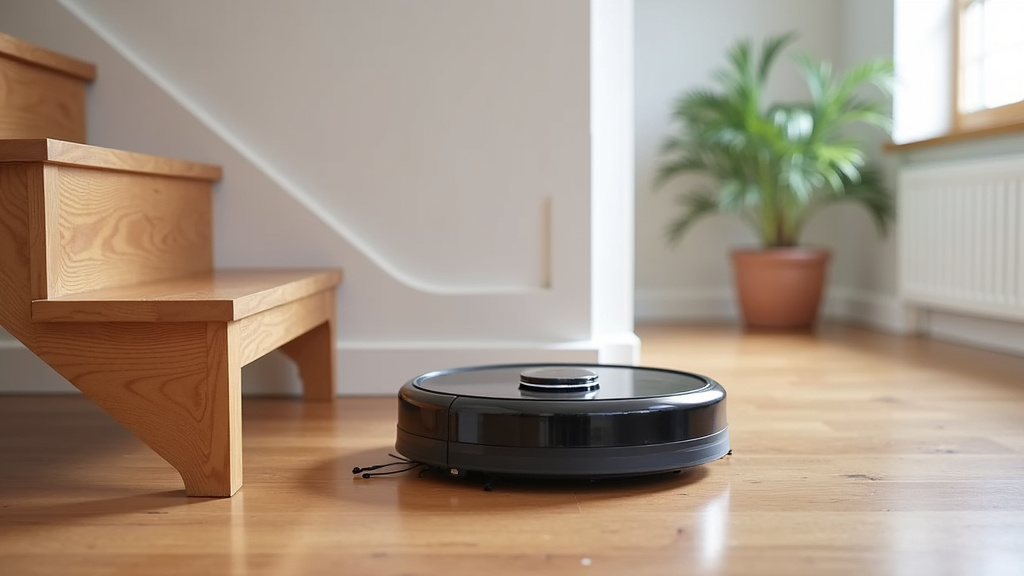
Checklist: Ensuring Your Robot Vacuum Stays Safe on Stairs
Want to make sure your robot vacuum never takes an accidental plunge down the stairs? Here’s a quick checklist to help you ensure its safety features are working as they should.
- Regularly clean cliff sensors: Wipe them every few cleaning cycles.
- Check for firmware updates: Manufacturers often improve navigation with software updates.
- Set virtual boundaries: Use the app to mark off stair areas if your model supports it.
- Ensure good lighting: While IR sensors don’t need visible light, consistent environment helps.
- Avoid placing dark rugs near stair edges: This minimizes potential sensor confusion.
Comparing Sensor Types and Reliability
Not all robot vacuums use identical sensor technology, but the core principle of infrared cliff detection is widespread. We found that the differences often lie in the number of sensors and their placement.
More sensors can sometimes mean better detection and fewer blind spots. However, even models with fewer sensors are generally very reliable when well-maintained.
| Sensor Feature | Impact on Stair Avoidance | Typical Performance |
|---|---|---|
| Infrared Cliff Sensors | Directly detects drops by sensing light reflection. | Highly effective in most home environments. |
| Additional Proximity Sensors | Helps detect objects and walls, aiding general navigation. | Indirectly supports stair avoidance by improving overall movement. |
| Camera-Based Navigation | Creates a visual map of the home, potentially identifying stairs. | Offers advanced mapping for virtual boundaries and precise navigation. |
| Lidar (Laser) Mapping | Creates highly accurate 3D maps, excellent for obstacle avoidance. | Superior for mapping and setting exact no-go zones around stairs. |
As you can see, even basic infrared sensors are quite good at their job. Advanced mapping technologies like Lidar offer even more precision and control, making stair avoidance almost foolproof.
Conclusion
You can see that robot vacuums use clever tech to stay safe from stairs. Their primary defense is the infrared cliff sensor, which detects drops and tells the robot to turn away. Many models also use advanced mapping and virtual boundaries for even greater protection. We found that keeping sensors clean is your best defense against accidents. By understanding how your robot works and performing simple maintenance, you ensure it stays on your floors and out of your stairwell, keeping your home clean safely and efficiently.
Frequently Asked Questions
Can I use a robot vacuum if I have very dark stairs or carpeting near them?
You can, but be cautious. Very dark surfaces can sometimes absorb the infrared light from cliff sensors, potentially confusing the robot. If your robot struggles, consider setting a virtual boundary or using a physical barrier near those areas to be safe.
Do all robot vacuums have cliff sensors?
Almost all robot vacuums designed for home use come equipped with cliff sensors. We found this is a standard safety feature to prevent them from falling down stairs or off ledges. It’s a core part of their navigation system.
How often should I clean my robot vacuum’s cliff sensors?
It’s a good idea to clean your robot vacuum’s cliff sensors regularly. We recommend wiping them with a dry, soft cloth after every few cleaning cycles, especially if you have pets or a lot of dust. This keeps them working reliably.
Will my robot vacuum fall down stairs if its battery dies mid-cleaning?
No, your robot vacuum is designed to stop safely if its battery runs critically low. It won’t continue to the edge of stairs if it can’t safely navigate. Most models will try to return to their charging base or simply stop where they are.
Can I block off stairs without using virtual boundaries?
Yes, you can use physical barriers if your robot vacuum doesn’t support virtual boundaries or if you prefer. We found simple solutions like baby gates or even a rolled-up towel placed at the top of the stairs can effectively block your robot’s path.