What Is a Robot Vacuum Dust Cup? The Quick Version
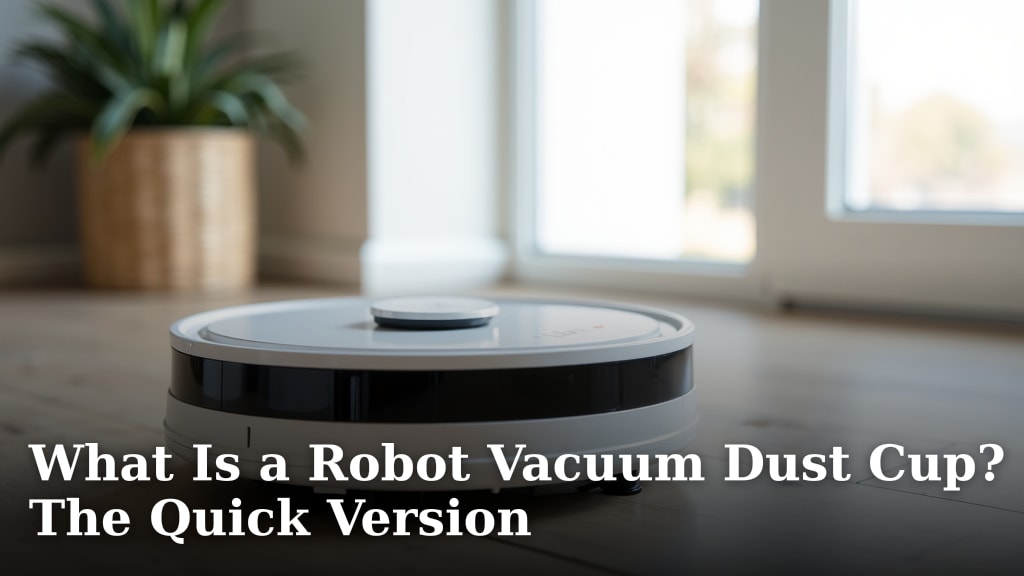
A robot vacuum dust cup is the container inside your robot vacuum that collects all the dirt, dust, and debris it picks up. Think of it as the vacuum’s tiny trash bin. It’s a small but essential part for keeping your floors clean.
This dust cup is what your robot vacuum needs to empty regularly to keep cleaning effectively. If it gets too full, your robot might not be able to suck up any more dirt. We found that keeping it clean is key to maintaining your robot’s performance.
- The dust cup holds dirt and debris.
- You must empty it often.
- A full cup stops cleaning.
- Keeping it clean helps your robot vacuum work better.
Let’s dive into what you really need to know about your robot vacuum’s dust cup and how to handle it.
Understanding Your Robot Vacuum’s Dirt Collector
The dust cup is the unsung hero of your robot vacuum. It’s the small bin where all the dust, crumbs, pet hair, and general fuzz goes. Think of it as the vacuum’s personal trash can. Without it, your robot couldn’t hold onto any of the dirt it cleans up.
This little container is super important for your robot’s job. When it gets full, your robot just can’t pick up any more messes. We found that keeping this part clean and empty is one of the easiest ways to make sure your robot keeps cleaning your floors well.
What Exactly Is Inside the Dust Cup?
It’s pretty straightforward! The dust cup is designed to catch everything your robot vacuum sucks up. This includes:
- Dust bunnies that love to hide under your furniture.
- Crumbs from snacks dropped on the floor.
- Pet hair, which seems to multiply overnight.
- Small debris like paper scraps or bits of dried leaves.
Essentially, any particle small enough to fit through the vacuum’s intake port will end up in the dust cup. It acts as the first line of defense against a messy floor. Many models have a filter system attached to or inside the dust cup. This helps prevent fine dust particles from escaping back into your air.
Why the Dust Cup Needs Regular Attention
You might be wondering why you have to pay so much attention to a simple bin. Well, a full dust cup is the number one reason your robot vacuum might stop cleaning effectively. If the cup is packed with debris, there’s no room for more dirt. It’s like trying to put more clothes into an already overflowing laundry basket.
When the dust cup is too full, you might notice your robot:
- Making strange noises.
- Not picking up as much dirt as it used to.
- Stopping mid-clean and giving an error message.
- Simply not moving or cleaning at all.
Many manufacturers state that emptying the dust cup regularly is key to optimal performance. Some robots even have sensors that will alert you when the bin is full. This is a helpful feature to keep you on top of maintenance.
How Robot Vacuum Dust Cups Work
The process is quite simple but very effective. As your robot vacuum glides across your floors, its brushes spin and sweep dirt towards the suction port. The motor then creates suction, pulling the debris into the dust cup.
The Path of Dirt: From Floor to Bin
Imagine your robot vacuum as a tiny cleaning crew. The brushes are the sweepers, and the suction motor is the collector. Dirt and dust get agitated by the brushes and then pulled into the vacuum. From there, it’s directed straight into the dust cup.
Many robot vacuums also have a primary filter. This is often a mesh screen or a washable filter that sits inside or is attached to the dust cup. It’s designed to catch larger debris, preventing it from clogging the motor or finer filters. The air then passes through this filter and any other finer filters before being expelled back into the room.
Filters: The Dust Cup’s Best Friend
You’ll often find filters either attached to the dust cup or located just before the air exits the vacuum. These filters are vital. They catch the really small particles, like fine dust and allergens, that you don’t want floating around your home. Experts often recommend cleaning or replacing these filters regularly to ensure good air quality and strong suction power.
We found that the type of filter can vary greatly between models. Some are simple washable foam filters, while others are HEPA-style filters designed for maximum particle capture. Keeping these filters clean is just as important as emptying the dust cup itself. A clogged filter is like trying to breathe through a straw – it makes everything harder.
Types of Robot Vacuum Dust Cups and Their Features
Not all robot vacuum dust cups are created equal. There’s a range of designs and capacities, and some come with extra bells and whistles.
Standard Removable Dust Cups
This is the most common type. It’s a bin that you manually remove from the robot, typically by pressing a button or pulling a latch. Once removed, you carry it over to your trash can and empty its contents.
The size of these cups can vary. Smaller robots might have tiny cups that need emptying after every single cleaning session. Larger, more powerful robots might have bigger bins that can hold more debris. We’ve seen dust cups ranging from around 300ml to over 700ml in capacity.
Self-Emptying Dust Cups and Docks
This is where things get a bit more automated. Robot vacuums with self-emptying bases have a larger dock station. When the robot returns to its dock, it not only charges but also empties its dust cup into a larger bag or bin within the dock.
This is a huge convenience for many users. It means you don’t have to empty the robot’s small dust cup as often. Instead, you only need to empty the larger bin in the dock, which might hold weeks’ worth of debris. Many experts suggest this is a great feature for pet owners or busy households.
The docking station often has a powerful fan that sucks the debris from the robot’s dust cup into the dock’s larger container. This system can be very effective, but it does add to the cost of the robot vacuum system.
Integrated vs. Non-Integrated Designs
Most dust cups are integrated, meaning they are a distinct part that slots into the robot. However, some very compact or specialized designs might have a more directly integrated collection system. This is less common in standard home robot vacuums.
How to Empty and Clean Your Robot Vacuum Dust Cup
This is the most hands-on part of owning a robot vacuum. Thankfully, it’s usually a quick and simple process.
The Step-by-Step Guide to Emptying
The exact steps can vary slightly depending on your robot model, but here’s a general idea:
- Locate the dust cup: It’s usually accessible from the back, top, or side of the robot. Check your user manual if you’re unsure.
- Remove the dust cup: Press the release button or lift the latch to detach the cup.
- Dispose of the debris: Hold the cup over your trash can and press the open button (if it has one) or gently shake the contents out.
- Clean the cup: Rinse the dust cup with water. Many are washable, but always check your manual first. Ensure it’s completely dry before putting it back.
We found that emptying the cup after each cleaning cycle is a good habit. This prevents overfilling and ensures your robot is ready for its next task. It also makes cleaning the cup easier.
Cleaning the Filters and Sensors
Don’t forget about the filters! These often clip into the dust cup or the robot itself.
- Remove filters: Carefully detach any filters from the dust cup or the robot’s chassis.
- Tap out dust: Gently tap the filters against the side of your trash can to remove loose dust and debris.
- Wash (if applicable): Some filters can be rinsed under cool water. Let them air dry completely before reinserting.
- Wipe sensors: While you’re at it, locate your robot’s sensors (usually small black or clear dots on the exterior). Wipe them gently with a dry, soft cloth. Clean sensors help your robot navigate effectively.
Many guidelines suggest cleaning filters every week or two, depending on your home environment and how often you run your robot. Research indicates that dirty filters can significantly reduce suction power (National Institute of Health).
Troubleshooting Common Dust Cup Issues
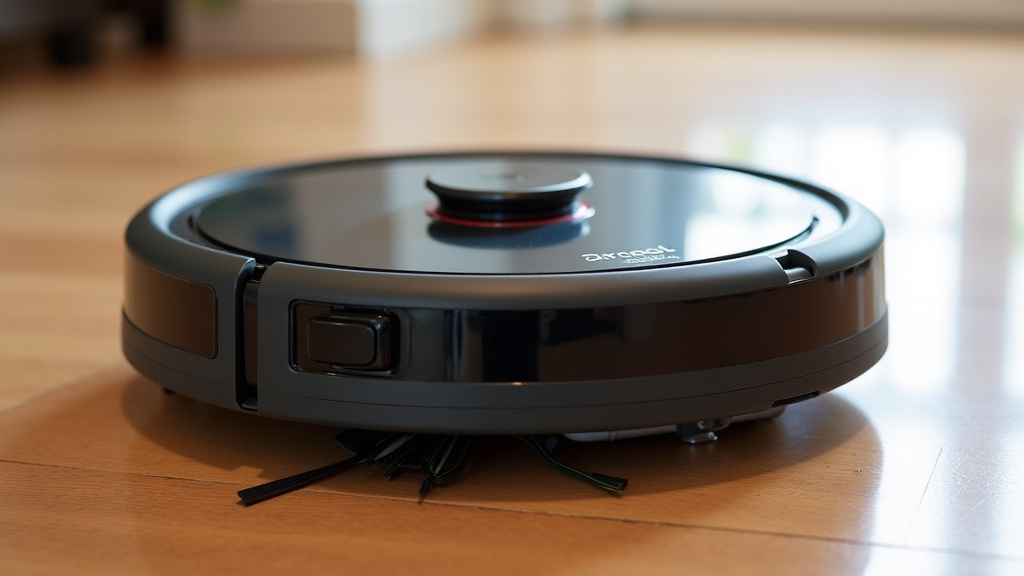
Sometimes, even with regular care, you might run into a snag. Here are a few common problems and how to fix them.
Robot Not Picking Up Dirt
The first thing to check is the dust cup. Is it full? If it is, empty it. If it’s not full, check the filters. Clogged filters are a major culprit for reduced suction. If the filters are clean and the cup is empty, check the brushes for tangled hair or debris that might be blocking the intake.
Error Messages Related to the Dust Bin
If your robot is giving an error about the dust bin, it often means it’s full or there’s a blockage. Even if it doesn’t look completely full, there might be something packed in tightly. Try removing the cup, shaking out any debris, and cleaning the filters. For self-emptying models, ensure the dock’s bin isn’t full and that the connection port between the robot and dock is clear of debris.
Dust Escaping Back into the Room
This usually points to a problem with the seals or filters. Make sure the dust cup is seated correctly in the robot. Check if the filter is damaged or not properly installed. A cracked or loose filter will allow fine dust to escape, defeating the purpose of the vacuum.
Quick Dust Cup Maintenance Checklist
Here’s a simple checklist to keep your robot vacuum’s dust collection system in top shape:
- Empty the dust cup after every cleaning cycle.
- Check for tangled hair or debris around the brushes and intake.
- Clean the dust cup with water weekly (if washable).
- Tap out dust from filters weekly.
- Wash filters monthly (or as per manufacturer instructions).
- Ensure filters are completely dry before reinserting.
Conclusion
You’ve learned that your robot vacuum’s dust cup is its personal trash bin, a small but vital component for cleaning. Keeping it clean and empty is the easiest way to maintain your robot’s performance. Whether you have a standard cup you empty yourself or a self-emptying dock, regular attention ensures your robot keeps your floors spotless. Remember, a little bit of cleaning goes a long way.
Your next step is simple: check your dust cup today. Make sure it’s empty and clean, and add emptying it to your regular cleaning routine. Your robot vacuum will thank you with better cleaning power!
Frequently Asked Questions
How often should I empty my robot vacuum’s dust cup?
For most robot vacuums with standard dust cups, emptying it after every cleaning cycle is a good habit. This prevents overfilling and keeps suction power strong. If you have pets or a very dusty home, you might need to empty it even more frequently.
Can I wash my robot vacuum’s dust cup?
Many robot vacuum dust cups are washable, but not all. Always check your robot’s user manual first. If it is washable, rinse it thoroughly and ensure it is completely dry before putting it back in the robot to prevent damage or mold.
What if my robot vacuum isn’t picking up dirt, and the dust cup is empty?
If the dust cup is empty but your robot isn’t cleaning well, the issue is likely with the filters. Check if the filters are clogged with dust. Gently tap them to remove debris or wash them if they are washable, ensuring they are fully dry before reinstallation.
What’s the difference between a standard dust cup and a self-emptying system?
A standard dust cup is a small bin you remove and empty manually into your trash can. A self-emptying system uses a docking station to automatically suck the debris from the robot’s dust cup into a larger bin within the dock, meaning you empty the larger bin much less often.
Why do robot vacuums have filters inside or attached to the dust cup?
Filters are essential for trapping fine dust particles and allergens that the suction picks up. They prevent this fine debris from being blown back into your air, helping to maintain good air quality in your home and keeping the robot’s motor clean.