Can a Robot Vacuum Replace a Regular Vacuum?

Can a robot vacuum replace your trusty old upright? For many homes, the answer is a qualified yes, but with a few important caveats. Robot vacuums have become incredibly capable at handling daily maintenance, but they may not completely eliminate the need for a deeper clean with a traditional vacuum.
We found that robot vacuums excel at keeping floors consistently clean between manual vacuuming sessions. They are fantastic for picking up daily dust, pet hair, and crumbs. However, their limitations in power and maneuverability mean they often can’t replace the thoroughness of a powerful upright or canister vacuum for certain tasks.
- Robot vacuums are great for daily floor maintenance.
- They can reduce how often you need to do a full vacuuming.
- They may not have the suction power of a traditional vacuum.
- Some areas, like stairs or deep carpet, are difficult for robots.
- A robot vacuum is a helpful tool, not always a complete replacement.
Let’s dive into what robot vacuums can and can’t do, so you can decide if one is right for your home.
The Robot Vacuum vs. Traditional Vacuum Debate
So, can a robot vacuum really take over your cleaning duties? For many of you, it’s a question that pops up as you eye those sleek, disc-shaped cleaners. We found that a robot vacuum is fantastic for daily upkeep. Think of it as your tiny cleaning assistant, quietly tidying up while you do other things. It can significantly reduce the amount of dust, pet hair, and crumbs that accumulate on your floors. This means you might not need to pull out your big vacuum as often.
However, we also found that it’s rarely a complete one-to-one replacement. There are certain situations and types of cleaning where a traditional vacuum cleaner still reigns supreme. Understanding these differences will help you decide if a robot vacuum is the right addition to your cleaning arsenal, or if it’s more of a helpful supplement.
What Robot Vacuums Do Well
Robot vacuums are engineered for consistent floor maintenance. Their main strength lies in their ability to navigate your home regularly, picking up debris before it builds up. Many models can be programmed to clean on a schedule, ensuring your floors get a touch-up daily or several times a week.
Daily Dust and Debris Collection
These little helpers are brilliant at capturing everyday dust, stray pet hairs, and small crumbs. If you have pets or children, you know how quickly these things can spread. A robot vacuum can keep these common culprits under control without you lifting a finger. We found that homes with pets particularly benefit from the regular cleaning cycles.
Reaching Under Furniture
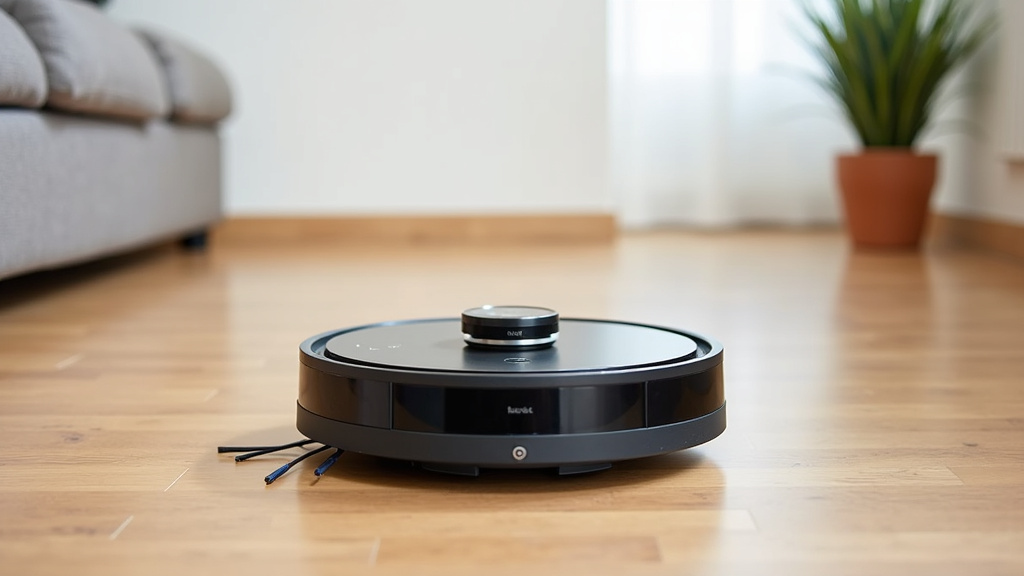
One of the most convenient aspects of robot vacuums is their low profile. They can easily glide under sofas, beds, and other low-clearance furniture. These are often areas that get overlooked or are difficult to reach with a bulky upright vacuum. This consistent cleaning under furniture helps to reduce overall dust levels in your home.
Smart Navigation and Scheduling
Modern robot vacuums come equipped with impressive navigation systems. They use sensors to map your home, avoid obstacles, and clean in efficient patterns. You can typically set schedules via an app, allowing the robot to clean while you’re at work or asleep. This automation is a huge draw for busy individuals and families.
Where Traditional Vacuums Still Shine
While robot vacuums handle daily maintenance well, traditional vacuums offer power and versatility that robots can’t yet match. They are built for deeper cleaning tasks and can tackle a wider range of surfaces and messes.
Superior Suction Power
When it comes to raw cleaning power, traditional vacuums generally have the edge. They boast stronger suction, which is essential for deep cleaning carpets and pulling up embedded dirt. We found that carpets, especially those with a longer pile, often require the intense power of an upright or canister vacuum to truly get clean.
Handling Different Surfaces and Debris
Traditional vacuums are often designed with various attachments and adjustable settings to handle different floor types. From hard floors to thick carpets, they can adapt. They are also better equipped to handle larger debris, like spilled cereal or larger crumbs, which can sometimes clog or overwhelm a robot vacuum.
Tackling Stairs and Vertical Spaces
This is a significant limitation for robot vacuums. They are designed to stay on the floor and cannot clean stairs. You’ll still need a traditional vacuum or a hand-held model for cleaning any steps in your home. Likewise, cleaning upholstery or curtains will require a traditional vacuum with its specialized attachments.
Deep Cleaning and Agitation
Many traditional vacuums, especially upright models, feature powerful brush rolls that agitate carpet fibers. This physical action helps to lift dirt and debris from deep within the carpet pile. Robot vacuums have smaller brushes and less aggressive agitation, making them less effective for thorough carpet deep cleaning.
Comparing Robot vs. Traditional Vacuums
To help you visualize the differences, here’s a quick comparison:
| Feature | Robot Vacuum | Traditional Vacuum |
|---|---|---|
| Best For | Daily maintenance, dust, pet hair, hard floors, low-pile carpets | Deep cleaning, thick carpets, stairs, upholstery, larger debris |
| Suction Power | Moderate | High to Very High |
| Coverage | Floors only, can get stuck, needs clear paths | Floors, stairs, upholstery, curtains, corners |
| Effort Required | Minimal (set and forget) | Manual operation, physical effort |
| Ideal Use Case | Keeping floors consistently tidy between deeper cleans | Periodic deep cleaning and tackling specific messes |
When a Robot Vacuum is a Smart Addition
If you’re looking to reduce your manual vacuuming time and keep your floors looking tidier day-to-day, a robot vacuum can be a game-changer. It’s ideal for busy households that struggle to maintain a clean floor consistently. Many experts suggest using a robot vacuum for daily touch-ups, especially in high-traffic areas.
Consider a robot vacuum if you:
- Have mostly hard floors or low-pile carpets.
- Own pets that shed frequently.
- Want to automate a portion of your cleaning routine.
- Find it difficult to vacuum frequently due to time or physical limitations.
- Are happy with a consistently clean floor rather than an occasional deep clean.
When You Still Need Your Traditional Vacuum
Don’t toss that upright just yet! You’ll likely still need your traditional vacuum for specific tasks. It remains the go-to for deep carpet cleaning, which robots can’t achieve. If you have thick, plush carpets, the brush roll and powerful suction of a traditional vacuum are essential. Plus, no robot vacuum can currently climb stairs or clean your furniture. So, your trusty traditional vacuum is still very much in the game for those jobs.
Keep your traditional vacuum handy if you:
- Have high-pile or shag carpets that require deep cleaning.
- Need to clean stairs or upholstery regularly.
- Deal with large messes or debris frequently.
- Prefer the control of manual vacuuming for a thorough clean.
- Want to ensure your entire home, from floor to ceiling, is spotless.
The Verdict: Supplement, Not Necessarily Substitute
After reviewing what robot vacuums can do, we found they are excellent supplements to traditional cleaning methods. They excel at maintaining a baseline level of cleanliness, reducing the frequency and effort required for manual vacuuming. However, they typically do not possess the power or design to fully replace the deep cleaning capabilities of a good upright or canister vacuum cleaner.
Think of it this way: a robot vacuum is like getting your car washed every week to keep it looking good. A traditional vacuum is like taking it for a deep detailing twice a year to get into every nook and cranny. Both have their place in keeping your home looking and feeling its best. For most people, the ideal scenario involves using both types of vacuums to achieve optimal results.
Conclusion
So, can a robot vacuum replace your traditional one? Our research and findings suggest it’s more about supplementing than substituting. Robot vacuums are fantastic for maintaining a baseline cleanliness and tackling daily dust and pet hair. They reduce how often you need to vacuum manually, which is a huge win for busy households. However, they don’t have the raw power for deep carpet cleaning or the versatility for stairs and upholstery. To decide, consider your home’s needs and how much daily upkeep you want to automate versus the need for occasional deep cleaning. For most, using both types of vacuums offers the best of both worlds.
Frequently Asked Questions
How often should I run my robot vacuum?
We found that running your robot vacuum daily or every other day is ideal for consistent floor maintenance. This frequency helps keep dust, pet hair, and crumbs from accumulating. You can schedule it to run when you’re away from home for maximum convenience.
Will a robot vacuum clean my entire home?
A robot vacuum can clean most accessible floor areas of your home. However, it cannot clean stairs, upholstery, or high-pile carpets effectively. You’ll still need a traditional vacuum for these areas and for reaching tight corners or edges that the robot might miss.
Can a robot vacuum handle pet hair effectively?
Yes, robot vacuums are generally very effective at picking up daily pet hair from hard floors and low-pile carpets. Many models are designed with features to tackle pet hair, reducing the amount of hair that builds up. For deeply embedded pet hair in thick carpets, a traditional vacuum is usually more powerful.
Do robot vacuums have enough suction power for deep cleaning?
Typically, robot vacuums have moderate suction power, designed for maintenance rather than deep cleaning. Traditional vacuums offer much higher suction and often have better brush agitation for pulling dirt from deep within carpet fibers. Our findings indicate they are best for regular upkeep, not deep carpet restoration.
What if I have mostly carpeted floors?
If your home is primarily carpeted, especially with medium to high-pile carpets, a robot vacuum may not be a complete replacement. While it can help with surface debris, you will likely still need a powerful traditional vacuum for deep cleaning. Consider a robot vacuum as a helpful tool for daily surface cleaning between deeper manual sessions.