Do Robot Vacuums Work on All Floor Types?
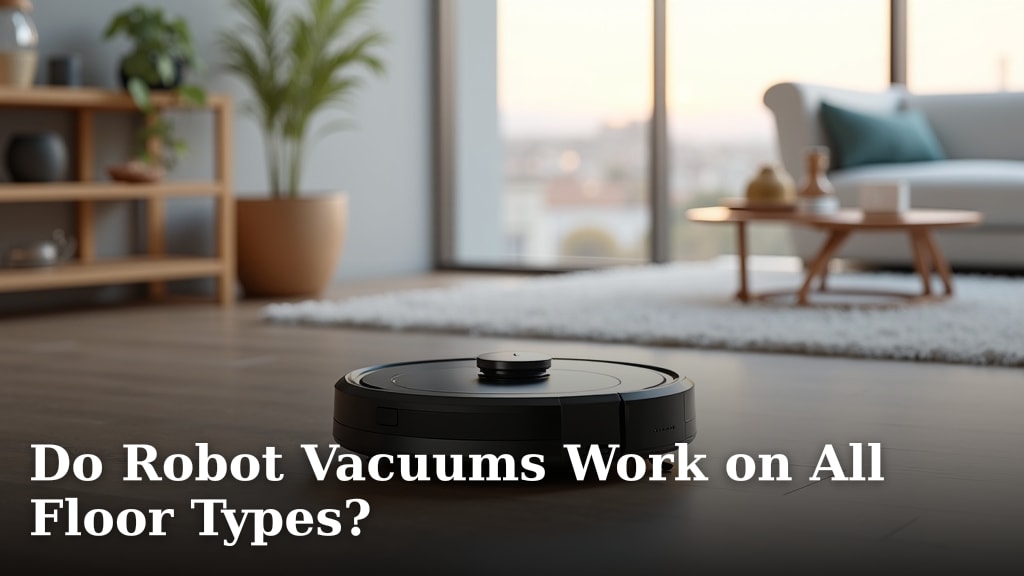
Yes, robot vacuums can work on most floor types, but their effectiveness varies. Many models are designed to handle both hardwood floors and carpets, adjusting their suction power and brush speed automatically. However, some very thick carpets or delicate floor surfaces might require a specific type of robot vacuum or manual intervention.
When choosing a robot vacuum, it’s wise to consider your home’s floor makeup. You’ll want a vacuum that offers adjustable settings for different surfaces. We found that models with strong suction and versatile brush systems tend to perform best across the board, from tile to plush rugs.
- Robot vacuums generally work on hardwood, tile, and laminate.
- They can also clean most carpets, but performance varies.
- Look for models with adjustable suction for best results.
- Some very high-pile carpets or delicate floors may present challenges.
Let’s dive into the details and help you find the perfect robot vacuum for your floors!
Robot Vacuums: Your Guide to Floor Type Compatibility
Robot vacuums are fantastic tools for keeping your home clean. But do they work well on every kind of floor? We’ve looked into it, and the answer is mostly yes. Most robot vacuums are designed to handle a variety of surfaces. They can switch between hard floors like wood and tile, and even tackle carpets. This adaptability makes them a great choice for many households.
Understanding Robot Vacuum Performance on Different Floors
Robot vacuums rely on a few key features to clean. These include suction power, brush design, and smart navigation. How well a robot vacuum performs often depends on how these features interact with your specific floor types. For example, a vacuum with strong suction is great for pulling debris from carpet fibers. A gentle brush roll is better for hardwood floors.
Hardwood Floors and Laminate: A Smooth Ride
Robot vacuums generally excel on hardwood, tile, and laminate floors. These surfaces are smooth, allowing the vacuum to glide easily. Its brushes can efficiently sweep up dust, crumbs, and pet hair. You’ll often find these robots leave your hard floors looking spotless. Many models have soft brush rolls or rubber blades to avoid scratching delicate finishes. We found that vacuums with good edge-cleaning capabilities are particularly effective here.
Tile and Stone Floors: Getting into the Grout
Tile and stone floors can present a slight challenge. While the smooth surface is easy to navigate, the grout lines can trap dirt. Robot vacuums with strong suction are key here. They can pull debris out from these narrow spaces. Some advanced models use rotating brushes to agitate dirt within the grout. We’ve seen that vacuums with a slightly stiffer brush can do a better job of this. However, be cautious with very delicate or antique tile.
Robot Vacuums on Carpets: The Nuances
Carpets are where things get a bit more interesting. Robot vacuums can clean most carpets, but their effectiveness can vary. It really depends on the type and height of the carpet.
Low-Pile Carpets: Generally Easy Cleaning
For low-pile carpets, such as standard office carpeting or flat-weave rugs, most robot vacuums perform quite well. The brushes can effectively agitate the carpet fibers and lift dirt. The suction power pulls the debris into the dustbin. You’ll likely be pleased with the results on these surfaces. Many robot vacuums automatically increase their suction power when they detect carpet. This is a smart feature that helps get a deeper clean.
Medium-Pile Carpets: Performance Varies
Medium-pile carpets, like those found in many living rooms, can be a bit trickier. The fibers are longer, and dirt can get trapped deeper. A robot vacuum with strong, adjustable suction is essential. You’ll want a model that can really dig into the pile. We found that some robot vacuums struggle to pick up fine dust from medium-pile carpets. They might push some debris around instead of collecting it.
High-Pile and Shag Carpets: The Toughest Test
High-pile and shag carpets are the most challenging for robot vacuums. The long fibers can easily get tangled in the brushes. This can lead to poor cleaning performance or even damage to the vacuum. Some robot vacuums simply aren’t designed for these types of carpets. If you have a lot of high-pile carpet, you might need a robot vacuum with a specialized brush roll. Or, you may need to use your traditional vacuum for these areas. We’ve seen reports suggesting that some robots can get stuck frequently on very plush carpets.
Key Features to Look For in a Versatile Robot Vacuum
To ensure your robot vacuum works well on all your floor types, consider these important features.
Adjustable Suction Power: The All-Rounder
This is perhaps the most critical feature. A robot vacuum with adjustable suction can adapt to different surfaces. It can use lower suction on hardwood to avoid unnecessary noise or whisking things around. Then, it can ramp up the power significantly for carpets. This flexibility means you get optimal cleaning without harming your floors or wasting battery. Many of the best models automatically detect floor types and adjust suction accordingly.
Brush Roll Design: Not All Are Created Equal
The design of the brush roll makes a big difference. Some robots use a single, stiff brush. Others have a combination of bristles and rubber fins. For mixed flooring, a combination brush is often best. Rubber fins can handle hard floors gently, while bristles can agitate carpet fibers. Some high-end models even offer interchangeable brush rolls. This allows you to swap them out depending on the floor type you’re cleaning. For shag carpets, some manufacturers recommend removing the brush roll entirely if the robot allows it, or using one with a design that is less prone to tangling.
Smart Navigation and Mapping: Efficiency Matters
While not directly related to floor type, smart navigation helps a robot vacuum cover your entire home efficiently. Models with good mapping capabilities remember where they’ve cleaned. They avoid areas they’ve already done and don’t get stuck as often. This is especially helpful on complex floor plans with different flooring transitions. A robot that can create zones or set no-go areas is also useful for protecting delicate rugs or floors.
When Might a Robot Vacuum Not Be Enough?
While robot vacuums are excellent for daily maintenance, they aren’t always a complete replacement for a traditional vacuum.
Deep Carpet Cleaning
For a truly deep clean on carpets, especially high-pile ones, a robot vacuum might not have the power or mechanism needed. Your upright vacuum likely has a stronger motor and more aggressive brush action designed for this. Think of your robot vacuum as your daily helper, keeping things tidy between deeper cleans.
Delicate or Unique Floor Surfaces
Some very old or antique hardwood floors, delicate natural stone, or unique tiled surfaces might require extra care. While most robots are designed to be gentle, a stray pebble or an overly aggressive brush could cause damage. If you have particularly valuable or sensitive flooring, always check the manufacturer’s recommendations. You might consider spot-testing in an inconspicuous area first.
Checklist for Choosing Your Robot Vacuum
Here’s a quick checklist to help you pick the right robot vacuum for your home:
- Does it have adjustable suction power?
- What type of brush roll does it use?
- Is it rated for your carpet pile height?
- Does it have smart navigation for efficient cleaning?
- Can it handle transitions between different floor types?
- Check user reviews specifically mentioning your floor types.
Conclusion
Robot vacuums are fantastic for daily floor maintenance on most surfaces. You’ve learned they work well on hardwood, tile, and low to medium-pile carpets. For high-pile carpets or delicate floors, you might need a specialized model or your traditional vacuum. Prioritizing adjustable suction and the right brush roll will ensure your robot tackles your unique home environment. Now, armed with this knowledge, you’re ready to choose a robot vacuum that truly fits your floors and lifestyle.
Frequently Asked Questions
Can a robot vacuum clean my shag carpet?
Shag carpets are very challenging for most robot vacuums. The long fibers can tangle in the brushes, reducing cleaning effectiveness. Some models have brush designs that minimize tangling, or may allow you to remove the brush. You might need to use your traditional vacuum for deep cleaning these areas.
Will a robot vacuum scratch my hardwood floors?
Most robot vacuums are designed to be safe for hardwood floors. They often use soft brush rolls or rubber fins that won’t scratch. We recommend checking user reviews and the manufacturer’s specifications for your specific floor type.
How do robot vacuums handle transitions between carpet and hard floors?
Many modern robot vacuums automatically detect floor type changes. They will adjust their suction power and brush speed accordingly. This transition feature helps ensure efficient cleaning as it moves from hardwood to carpet and back.
What if my robot vacuum leaves dirt behind on my carpet?
If your robot vacuum is missing dirt on carpets, especially thicker ones, its suction power might be too low. Look for models with adjustable, higher suction settings. A brush roll designed for agitation can also help lift debris from carpet fibers.
Are robot vacuums good for homes with pets and various floor types?
Yes, robot vacuums can be excellent for pet owners with mixed flooring. Many models offer strong suction and specialized brushes to pick up pet hair from both hard floors and carpets. Look for features like tangle-resistant brushes and good filter systems for pet dander.